CP Lubricants
Blood Test

Blood Test Oil Analysis
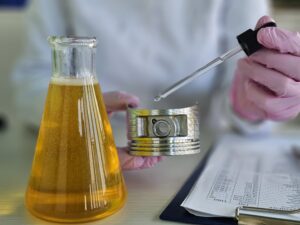
This is a system of checking used oil taken from an engine or piece of equipment for its condition, since wear and contamination from other sources will collect in the oil as it goes about its business of lubrication.
Oil is the only part inside an engine that is in physical contact with all internal surfaces. That is why we call our oil analysis service a Blood Test.
The principle of our Blood test oil analysis for condition monitoring is that all components of engines and industrial equipment such as hydraulic systems are manufactured with different metals and alloys, with aluminium pistons, mild steel & chromium plated piston rings and bearings containing copper/lead or bronze surfaces.
Wear Monitoring
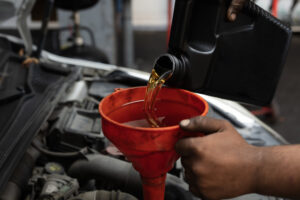
All machines wear under normal conditions, and wear is the action of rubbing off these surfaces. The oil collects these minute wear particles and holds them in suspension until the drain plug is removed and the oil changed.
The rate at which equipment wears is governed by a whole host of elements, i.e. the harshness of the way it is driven, the environment in which it is working, such as a quarry or on the sea where the air drawn into the engine will contain different types of contamination.
The Blood Test oil analysis measures the rate of change of these contaminates and draws up a history or wear curve of the engine or equipment and when there is a change in the slope of the curve it is normally an indication that something’s wrong. With careful consideration of all the conditions an indication of where and when problems may occur can be forecast.
Contact Us for a blood test oil analysis.
Technical Department Tel 02380 337800 or Email us on sales@cplubricants.co.uk
Frequently Asked Questions
What is Blood Test oil analysis?
Blood Test is an oil analysis service used to assess lubricant condition, wear and possible contamination in an engine or item of equipment. A sample of used oil is collected and analysed to help identify changes taking place inside the system.
What can an oil analysis test detect?
Oil analysis can help identify wear metals, contaminants and changes in lubricant condition. The results may indicate abnormal component wear, dirt ingress, coolant contamination or other conditions that warrant further investigation.
Why is it called a “blood test” for machinery?
The oil circulating through an engine or machine comes into contact with internal components and carries information about their condition. Analysing the oil can therefore provide an indication of what may be happening inside the equipment without dismantling it.
What types of equipment can be tested?
Blood Test oil analysis may be suitable for engines, hydraulic systems and other industrial equipment where lubricating oil circulates through internal components. Contact CP Lubricants with details of the machinery and oil in use to confirm suitability.
How does wear monitoring work?
Wear monitoring measures small particles and wear metals suspended in the oil. Comparing results over time can help show whether wear levels are stable, increasing or unusual for that item of equipment.
Which wear metals may appear in an oil sample?
The metals detected depend on the materials used inside the equipment. The page identifies aluminium pistons, mild-steel and chromium-plated piston rings, and bearings containing copper, lead or bronze as examples of components that may contribute wear metals.
Can one oil sample confirm that a machine is failing?
A single sample can provide useful information, but trend monitoring is often more valuable. Repeated samples can build a history for the equipment and show whether contaminant or wear levels are changing over time.
How often should oil samples be taken?
The most suitable interval depends on the equipment, operating conditions, lubricant and maintenance programme. Regular sampling at consistent intervals makes it easier to compare results and identify developing trends.
Can oil analysis help reduce unexpected breakdowns?
Oil analysis can provide an early indication of abnormal wear or contamination. This may help maintenance teams investigate potential problems before they develop into more serious equipment damage or unplanned downtime.
How do I arrange a Blood Test oil analysis?
Contact the CP Lubricants technical department with details of the equipment, lubricant and reason for testing. The team can explain the sampling process and advise on the next steps.
Related Articles