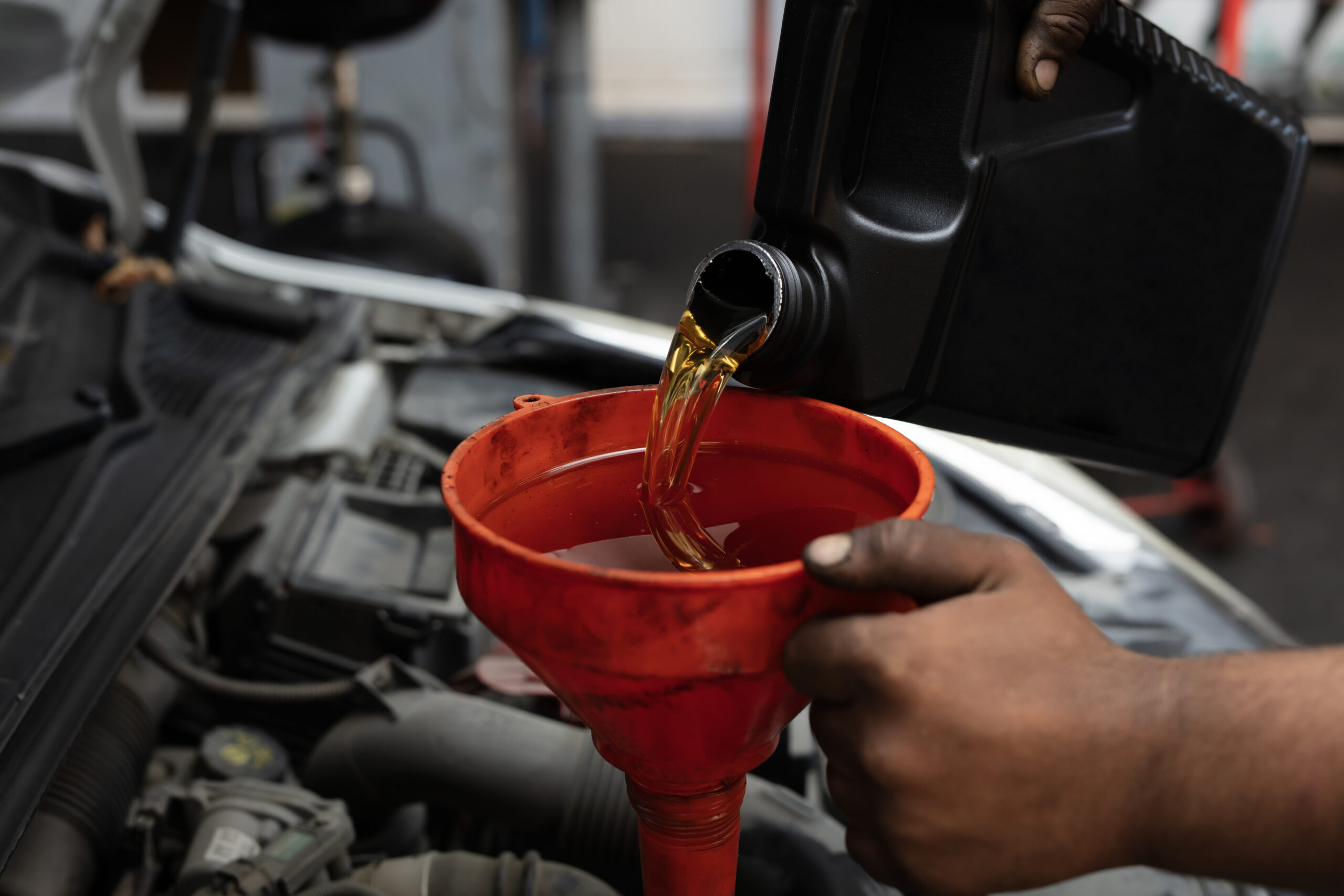
Oil quality is one of the most important factors in effective fleet maintenance. Whether a business operates vans, HGVs, plant vehicles, agricultural vehicles or mixed commercial fleets, engine oil and other lubricants play a direct role in reliability, efficiency and long-term vehicle protection.
For fleet managers, maintenance is not only about fixing problems when they happen. It is about keeping vehicles roadworthy, reducing avoidable downtime and making sure servicing is carried out with the right products at the right intervals. Poor oil quality can undermine all of this. It can increase wear, contribute to overheating, reduce engine protection and make vehicles more expensive to maintain over time.
The right oil, used consistently and correctly, helps protect engines under demanding operating conditions. This is especially important for commercial vehicles that may cover high mileage, carry loads, operate in stop-start conditions or work across varied temperatures. In these environments, oil quality should never be treated as a minor detail.
What does engine oil do in fleet vehicles?
Engine oil performs several important functions. Its most obvious role is lubrication. It creates a protective film between moving metal parts, helping to reduce friction and wear. Without effective lubrication, engine components would generate excessive heat and wear rapidly.
However, engine oil does more than reduce friction. It also helps:
- carry heat away from critical engine parts
- reduce deposit formation
- protect against corrosion
- suspend contaminants until they are removed during servicing
- support sealing between piston rings and cylinder walls
- help maintain engine cleanliness
In modern commercial vehicles, oil also needs to work alongside emissions control systems, turbochargers and advanced engine designs. This means oil quality and specification are both important. It is not enough for oil to look clean or have the right viscosity printed on the container. It must be suitable for the vehicle, duty cycle and manufacturer requirements.
How does oil quality affect fleet reliability?
Fleet reliability depends on consistency. Vehicles need to start, run and complete their work without unexpected failures. Good-quality oil supports this by maintaining protection under pressure, heat and varying operating conditions.
Commercial vehicles often experience harder working conditions than private cars. Delivery vans may spend much of the day in stop-start traffic. HGVs may run for long periods under load. Service vehicles may idle frequently while equipment is used. Agricultural or plant vehicles may operate in dusty or dirty environments.
These conditions place extra demands on oil. A good-quality oil is designed to resist breakdown, maintain viscosity, manage deposits and protect engine components for the intended service period. A poor-quality or unsuitable oil may degrade faster, leaving the engine less protected before the next service is due.
When oil quality is inconsistent across a fleet, maintenance teams can face unpredictable issues. One vehicle may perform normally while another develops early wear, oil consumption or deposit problems. Standardising the correct oil across vehicle groups can make fleet maintenance easier to manage.
What happens when poor-quality oil is used?
Using poor-quality oil can create short-term and long-term problems. The effects may not appear immediately, which is one reason oil quality is sometimes underestimated. A vehicle may seem to run normally after an oil change, but inadequate protection can gradually increase wear and stress inside the engine.
Possible consequences include:
- increased engine wear
- sludge or deposit build-up
- reduced oil flow
- higher operating temperatures
- increased oil consumption
- shorter component life
- reduced fuel efficiency
- more frequent maintenance issues
- greater risk of breakdowns
For a fleet, these problems can become expensive quickly. A single vehicle off the road can affect deliveries, jobs, customer commitments and staff productivity. If several vehicles suffer from poor lubrication practices, the cost can multiply through downtime, repair bills and replacement vehicle hire.
Oil should be viewed as a protective maintenance product, not just a consumable. Saving a small amount on unsuitable oil can create far greater costs if it contributes to engine damage or service disruption.
Why specification matters as much as quality
High-quality oil still needs to be the right oil. Fleet vehicles often require oils that meet specific manufacturer approvals or industry standards. These specifications may relate to viscosity, additive chemistry, emissions system compatibility, fuel economy requirements and engine design.
For example, a modern diesel van with a diesel particulate filter may need a low SAPS oil that is compatible with emissions control equipment. A heavy-duty diesel engine may require an oil that meets specific performance standards for soot handling, oxidation stability and wear protection. Using the wrong specification can lead to poor performance, increased deposits or compatibility issues.
This is why fleet buyers should avoid choosing oil based only on price, brand familiarity or viscosity grade. Two oils with the same viscosity may have different performance levels and approvals. The safest approach is to check manufacturer requirements and use products that meet the relevant specification.
For mixed fleets, this can become more complicated. A business may operate vehicles from different manufacturers, of different ages and with different service requirements. In these cases, lubricant selection should be managed carefully to avoid using one oil across vehicles where it is not suitable.
Can good oil reduce downtime?
Good oil can help reduce avoidable downtime by supporting engine protection and predictable servicing. It will not prevent every mechanical issue, but it can reduce the likelihood of lubrication-related problems.
Downtime is one of the biggest hidden costs in fleet management. When a vehicle is unavailable, the business may need to rearrange work, hire a replacement, delay deliveries or put extra pressure on other vehicles. For time-sensitive operations, this can affect customer service and revenue.
Using the correct oil helps maintenance teams work proactively rather than reactively. If the fleet uses suitable lubricants and follows proper service intervals, there is less chance of oil-related wear or unexpected engine issues. This supports better planning, more reliable vehicle availability and fewer emergency repairs.
Oil quality is particularly important for vehicles with high utilisation. The more a vehicle works, the more important lubrication becomes.
Oil quality and service intervals
Many fleets work to planned service intervals based on mileage, hours or manufacturer guidance. Oil must be able to perform properly throughout the full interval. If it degrades too quickly, the engine may spend part of the service period with reduced protection.
Good-quality oil is formulated to resist oxidation, manage contaminants and maintain viscosity under operating conditions. This helps it continue protecting the engine until the next planned service.
However, even high-quality oil cannot compensate for unrealistic service intervals or severe operating conditions. Vehicles used in heavy traffic, dusty environments, short-trip operation or high-load work may need closer monitoring. The right oil and the right service schedule should work together.
Fleet managers should also consider whether oil is being stored and handled correctly. Contamination before use can affect performance. Oil should be stored in suitable containers, kept sealed where possible and protected from water, dirt and incorrect mixing.
How oil quality affects engine cleanliness
Engine cleanliness is important for reliable performance. Poor-quality oil may be less effective at controlling deposits, sludge and varnish. Over time, these can restrict oil flow, affect moving parts and reduce efficiency.
Modern engines often operate at high temperatures and with tight tolerances. This means oil must manage heat and contamination effectively. Deposits around turbochargers, pistons, valves and oilways can cause serious issues if not controlled.
Good-quality oils use additive packages designed to keep contaminants suspended and reduce deposit formation. During servicing, these contaminants are drained away with the used oil. If the oil cannot perform this role properly, deposits can remain inside the engine.
For fleet vehicles, this matters because engine cleanliness supports long-term reliability. A clean, well-lubricated engine is less likely to suffer from preventable wear and oil flow issues.
The role of oil in older fleet vehicles
Not every fleet is made up of new vehicles. Many businesses operate older vans, lorries or specialist vehicles that remain valuable to the operation. Oil quality is especially important in these vehicles because wear levels, seal condition and operating demands may differ from newer models.
Older engines may require different oil specifications from modern vehicles. They may also be more sensitive to poor oil quality if components have already experienced years of use. The goal is not always to use the newest or most advanced oil, but to use the correct oil for that engine.
For mixed-age fleets, it may be necessary to keep more than one oil type in stock. This should be managed clearly to avoid confusion. Labelling, staff training and accurate service records can reduce the risk of the wrong oil being used.
How should fleets manage oil quality across multiple vehicles?
Fleet oil management should be structured. Businesses should know which oils are used, which vehicles they apply to and when servicing is due. This reduces the risk of mistakes and helps maintenance teams maintain consistency.
A practical fleet oil management process may include:
- keeping a clear list of vehicle oil requirements
- checking manufacturer specifications before changing products
- using reliable suppliers with consistent availability
- storing oil correctly to prevent contamination
- recording oil usage and service history
- training staff on correct product selection
- reviewing oil choice when vehicles or operating conditions change
For larger fleets, bulk oil supply may also be worth considering where the same product is used regularly. Bulk supply can reduce packaging, simplify repeat ordering and improve availability. However, it should only be used where storage and handling are suitable.
Should fleets use oil analysis?
Oil analysis can be useful for fleets that want deeper insight into engine condition and lubricant performance. It can help identify contamination, wear metals, viscosity changes and signs of oil degradation. This information can support maintenance planning and help detect issues before they become serious.
Oil analysis is not always necessary for every small fleet, but it can be valuable where vehicles are high value, heavily used or critical to operations. It may also help businesses review service intervals or investigate recurring problems.
The value of oil analysis depends on acting on the results. Testing alone does not reduce costs unless the business uses the data to make better maintenance decisions.
Frequently Asked Questions
Does better oil make fleet vehicles last longer?
Good-quality oil can help protect engines from wear, heat and deposits, which supports longer vehicle life. It does not remove the need for servicing or proper maintenance, but it plays an important role in protecting key components.
Can fleets use the same oil in every vehicle?
Only if the oil meets the required specifications for each vehicle. Mixed fleets often include different engines and manufacturer requirements, so one oil may not be suitable for all vehicles.
Is cheap engine oil bad for fleet vehicles?
Not always, but price alone should not determine the choice. The oil must meet the correct specification and provide suitable protection for the vehicle and operating conditions. A cheap but unsuitable oil can become expensive if it contributes to problems.
How often should fleet oil be changed?
Oil change intervals should follow manufacturer guidance and take account of operating conditions. Vehicles used in severe conditions may need closer monitoring or more frequent servicing.
Why is oil storage important for fleets?
Oil can be affected by contamination if it is stored poorly. Water, dirt and incorrect mixing can reduce lubricant quality before it reaches the vehicle. Proper storage helps protect oil condition and reduces the risk of maintenance issues.
Oil quality is central to good fleet maintenance. It affects engine protection, reliability, cleanliness, service planning and long-term vehicle costs. For businesses that rely on their vehicles every day, using the correct oil is a practical way to support uptime and reduce avoidable maintenance problems.
The best approach is to choose oils that meet the correct specification, store them properly, use them consistently and review requirements when vehicles or operating conditions change.
For support with fleet oil supply, product selection and repeat business orders, contact CP Lubricants.
Phone: 023 8033 7800
Email: sales@cplubricants.co.uk
Find out more: https://cplubricants.co.uk/
Want to know more? Get in touch
Find us on Google Maps