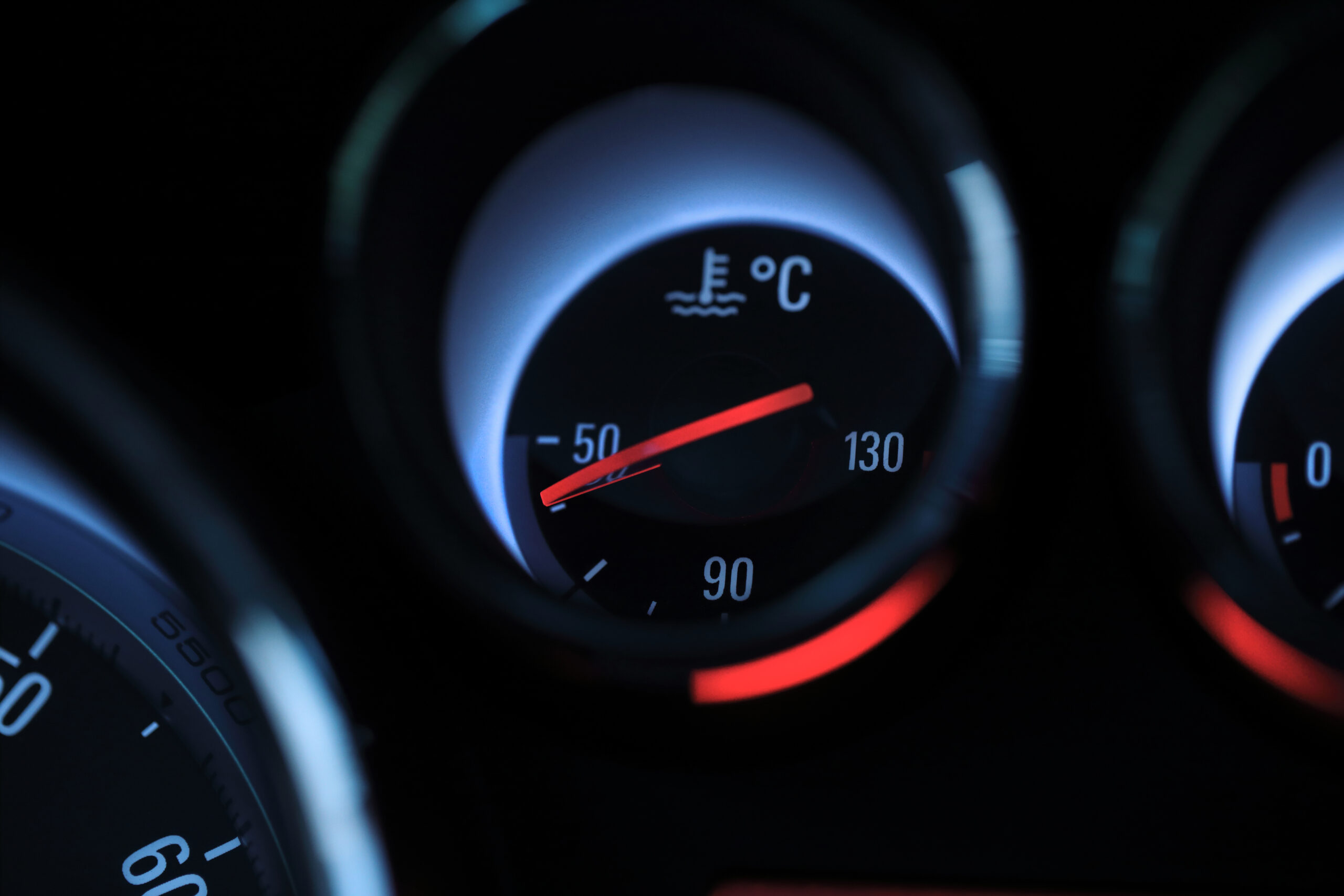
Coolant is a specialist fluid that circulates through an engine or item of equipment to help maintain the correct operating temperature.
In most cases, coolant consists of approximately 50% water and 50% ethylene glycol or propylene glycol. It also contains small quantities of protective additives.
Products are available in several colours, including blue, green, orange, yellow and pink.
What Types of Coolant Are Available?
What type do you need?
This is not always an easy question to answer. Different vehicles and types of equipment require different products, and each product should be carefully engineered and tested for its intended application.
The most common technologies used today include:
- Inorganic Additive Technology, or IAT
- Organic Acid Technology, or OAT
- Hybrid Organic Acid Technology, or HOAT
- Phosphate-free HOAT
- Phosphated HOAT
- Silicated HOAT
To confirm which type is suitable, the best course of action is to check the vehicle or equipment manufacturer’s requirements.
What Does the Colour Mean?
In the past, coolants were carefully colour-coded. The colour played an important part in choosing the correct product because it indicated the application, properties and compatibility.
This is no longer always the case.
Coolants are still produced in different colours, but the colour now often depends on the manufacturer. The same colour may be used for different products, making selection more complicated.
For example, Manufacturer A may colour its coolant red while Manufacturer B uses yellow. The two products may be the same type of coolant, but they may also be completely different.
Colour alone should therefore not be used to decide whether a coolant is suitable.
What Happens When You Mix Coolants?
There are different opinions about mixing coolant colours.
Some people believe that there is no problem as long as the type matches the product already in the system. However, for safety, it is generally best not to mix colours without first checking their compatibility.
Some combinations can cause serious damage to an engine or item of equipment.
For example, mixing OAT and IAT can be detrimental. The mixture may turn into a gel or paste that clogs the cooling system and causes overheating.
Removing this material can require extensive flushing and may lead to damage that costs more than expected.
Similar problems may occur when incompatible propylene glycol and organic acid products are mixed.
What Happens If You Use the Wrong Coolant?
Mixing different types of coolant can have serious and expensive consequences.
As mentioned above, an incompatible mixture can solidify, create blockages and cause overheating.
Using the wrong product may also lead to corrosion or problems with the water pump, radiator and other components.
The wrong product can damage a vehicle, plant or item of equipment, so it is important to establish which product is required before topping up or replacing the fluid.
Where there is any uncertainty, ask an experienced technician or check the manufacturer’s specification.
What Is the Verdict?
Do not mix coolants without careful inspection and research.
Colour is no longer a reliable guide to compatibility, and a small mistake can lead to significant repair costs.
Always check the technology, product specification and manufacturer’s requirements before adding fluid to the system.
Phone: 023 8033 7800
Email: sales@cplubricants.co.uk
Find out more: CP Lubricants
Want to know more? Get in touch
Find us on Google Maps