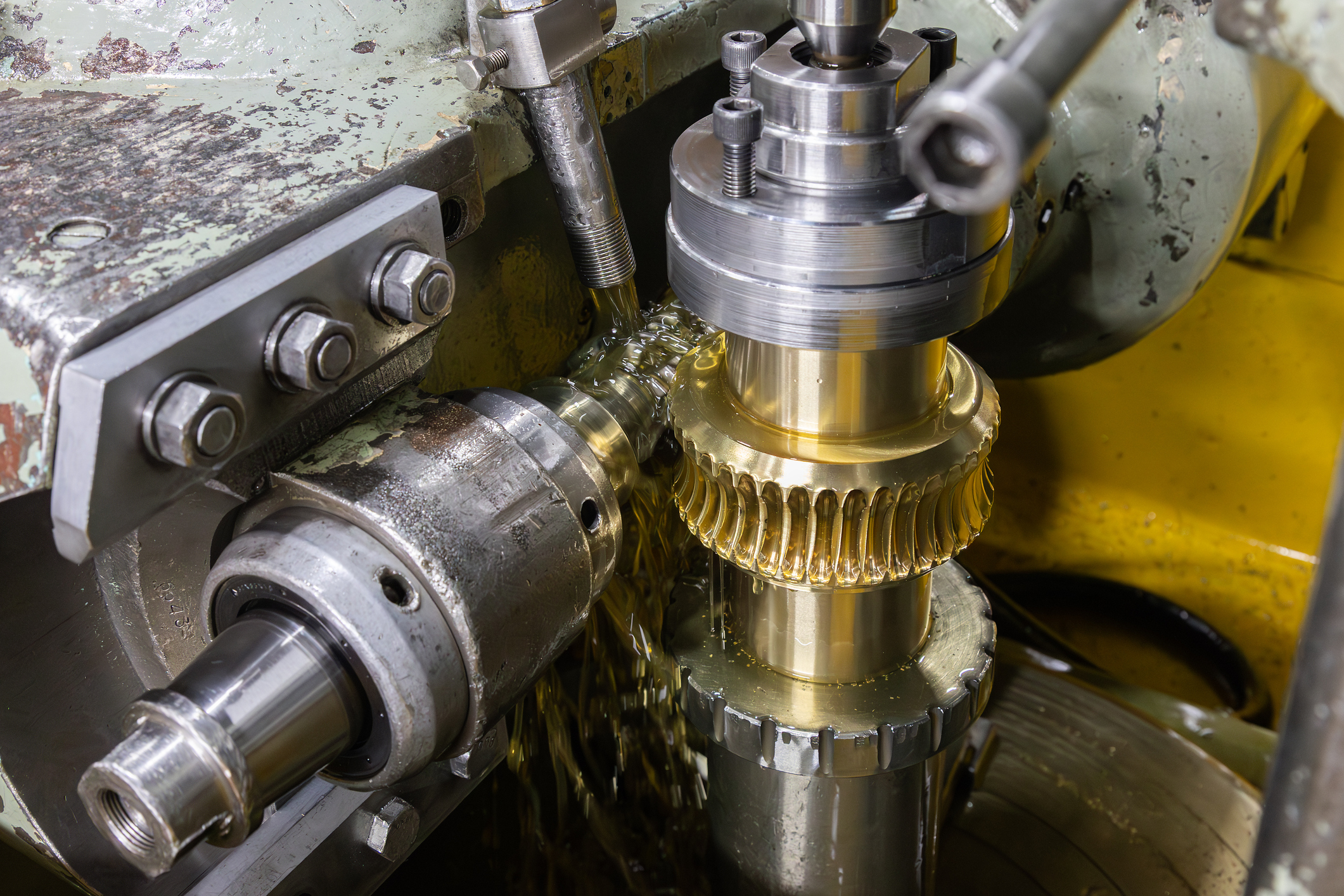
Industrial lubricants have a direct effect on equipment performance, component life and operational reliability. However, selecting the correct products is only part of the challenge. Industrial sites must also make sure those products are available when required, supplied in appropriate quantities and supported by reliable product information.
This is why choosing the right lubricant distributor is important.
A dependable distributor does more than deliver oil, grease or fluid products. They help industrial businesses maintain continuity of supply, identify suitable lubrication options and reduce the risk of delays caused by incorrect or unavailable products.
For manufacturing plants, engineering facilities, transport depots and other industrial operations, a lubricant supply problem can quickly become an operational problem. Choosing a distributor should therefore be treated as a long-term supply decision rather than a simple price comparison.
What should an industrial lubricant distributor provide?
An industrial lubricant distributor should offer a combination of suitable products, dependable supply arrangements and knowledgeable support.
Industrial sites may use several different lubricant types across their operations, including:
- Hydraulic oils
- Gear oils
- Engine oils
- Industrial greases
- Metalworking fluids
- Agricultural lubricants
Each product may serve a different type of machinery, component or operating environment. A distributor needs to understand that one product cannot automatically be substituted for another simply because both products appear similar.
A suitable distributor should be able to help customers navigate considerations such as viscosity, operating temperature, load, application method and equipment requirements.
The distributor should also be able to provide products in quantities that match the customer’s needs. A small engineering workshop may require manageable containers for several applications, while a large industrial plant may need bulk or repeat-order arrangements.
The aim is not merely to purchase lubricant. It is to establish a supply process that supports the site’s maintenance and production requirements.
How does lubricant availability affect industrial operations?
Lubricants are routine maintenance products, but they can become business-critical when availability is interrupted.
A machine may only require a relatively small quantity of lubricant during servicing. However, if the correct product is unavailable, maintenance may need to be delayed. In some circumstances, equipment may have to remain out of service until an approved lubricant can be obtained.
This can result in:
- Extended maintenance downtime
- Disrupted production schedules
- Increased pressure on maintenance teams
- Expensive emergency purchasing
- The temptation to use an unsuitable substitute
- Missed delivery or customer deadlines
The financial value of the lubricant may be modest compared with the value of the machinery or the cost of lost production.
For example, a production line could use several types of oil and grease across motors, gearboxes, bearings and hydraulic systems. If one essential lubricant is not available during planned maintenance, the entire schedule may be affected.
A reliable distributor helps industrial sites avoid this situation by maintaining consistent supply, understanding repeat-order patterns and supporting forward planning.
Why is continuity of supply so important?
Industrial sites often operate around planned maintenance windows. Engineers may have limited time to inspect, service and restart equipment before production resumes.
Lubricants need to be available before that work begins.
A suitable distributor can help businesses plan regular requirements instead of relying entirely on last-minute orders. This is particularly valuable for products that are consumed steadily or used across several machines.
Repeat ordering can also make stock management easier. When the same approved products are supplied consistently, maintenance teams are less likely to encounter unexpected changes in specification, packaging or product identity.
Continuity does not necessarily mean holding excessive quantities on site. It means creating a reliable arrangement so the correct products can be obtained within a practical timeframe.
This balance is important because overstocking also creates problems. Lubricants may be stored for longer than necessary, occupy valuable space or become vulnerable to contamination and poor stock rotation.
The distributor should therefore help the customer establish a sensible supply pattern based on actual usage.
Why is technical product knowledge important?
Industrial lubricant selection can be complex. Two oils may appear similar, but differences in viscosity, formulation, additive content or intended application can significantly affect performance.
A distributor with relevant product knowledge can help clarify whether a lubricant is suitable for a particular application. This does not replace the equipment manufacturer’s requirements, but it can help businesses identify appropriate options and avoid preventable purchasing mistakes.
Technical understanding becomes especially important when:
- A product has been discontinued
- Equipment is being replaced or upgraded
- Operating conditions have changed
- A site wants to reduce the number of products it holds
- Product names or packaging have changed
- A business is reviewing its lubrication programme
- A maintenance team is unsure whether two products are interchangeable
A supplier that focuses only on completing the sale may not investigate these details. A knowledgeable distributor should recognise when more information is required before recommending or supplying an alternative.
For example, changing from one hydraulic oil to another may require consideration of viscosity grade, system design, temperature range and compatibility with seals or existing fluid.
Similarly, a grease selected for a lightly loaded bearing may not be suitable for equipment operating under heavy loads, high temperatures or wet conditions.
Correct guidance helps maintenance teams make informed decisions rather than relying on assumptions.
How can the right distributor reduce lubricant-related risks?
Several operational risks can be reduced through a more organised lubricant supply arrangement.
Reducing the risk of incorrect products
Ordering errors can happen when sites use several similar-looking drums, containers or product names.
A distributor familiar with the customer’s regular requirements may be better placed to identify unusual orders or potential mistakes. Consistent product records and clear communication can help prevent an incorrect lubricant from reaching the point of use.
Reducing the risk of unplanned shortages
Regular ordering arrangements allow both the supplier and the industrial customer to anticipate demand.
This is particularly useful for products used frequently across a fleet, production facility or maintenance operation.
Reducing the risk of unsuitable substitutions
During a shortage, maintenance personnel may feel pressured to use whatever product is available. This can create compatibility and performance problems.
A dependable distributor should help locate an appropriate product or provide enough information for the site to make a controlled decision.
Reducing the risk of inconsistent supply
Switching repeatedly between suppliers may result in inconsistent products, changing pack sizes or incomplete product records.
A stable distributor relationship gives industrial businesses greater control over what enters the site and how products are ordered.
Can the right distributor help simplify lubricant management?
Many industrial sites accumulate more lubricant products over time.
New machinery arrives with different requirements. Engineers order products for specific repairs. Older equipment is removed, but the associated lubricant remains in storage. Similar products may then be purchased under different brand or product names.
This can create an unnecessarily complicated lubricant inventory.
A knowledgeable distributor may be able to support a product review by helping the business identify:
- Which products are currently in use
- Which products serve similar applications
- Whether obsolete products are still being ordered
- Which lubricants are critical to operations
- Which products should be kept in larger or smaller quantities
- Where clearer labelling or storage separation may be helpful
Product consolidation must be approached carefully. Industrial businesses should not remove or replace lubricants simply to reduce the number of stock lines.
However, where approved products genuinely cover similar requirements, simplification can improve stock control and reduce the likelihood of selection errors.
A more controlled range can also make training easier. Maintenance personnel have fewer products to identify, store and apply correctly.
Why should price not be the only consideration?
Purchase price matters, particularly for businesses using lubricants in significant volumes. However, the cheapest initial price does not always represent the lowest overall cost.
Industrial sites should consider the wider impact of the supply arrangement.
A cheaper product or supplier may be less attractive if it results in:
- Unreliable delivery
- Limited product availability
- Inadequate technical information
- Frequent product changes
- Incorrect pack sizes
- Emergency ordering costs
- More administrative work
- Increased risk of equipment problems
Lubricant costs are generally small compared with the cost of industrial machinery, replacement components, labour and production downtime.
This does not mean a business should ignore pricing. It means prices should be assessed alongside product suitability, supplier reliability and the practical cost of managing the relationship.
A dependable distributor can provide value by helping the industrial site avoid disruption, purchasing mistakes and unnecessary stockholding.
What should businesses compare before choosing a distributor?
Industrial businesses should assess potential distributors against clear operational criteria.
Product range
Does the distributor offer the types of oils, greases and fluids used across the site?
A broader relevant range may allow the business to reduce the number of separate suppliers it manages.
Product suitability
Can the distributor provide clear information about applications, specifications and product options?
The supplier should not encourage a substitution without considering the equipment requirements.
Availability
Can regularly used products be supplied consistently? How are unusual or urgent requirements handled?
Availability should be considered alongside delivery lead times.
Order quantities
Can products be supplied in suitable pack sizes for the site’s actual usage?
Buying excessive quantities may create storage and stock rotation problems, while pack sizes that are too small may increase handling and ordering frequency.
Technical support
Can the distributor help customers understand product differences and identify suitable options?
Technical support should be practical, accurate and based on available product information.
Delivery reliability
Can the supplier support planned maintenance and repeat ordering?
Reliable delivery is particularly important when businesses operate fixed production schedules.
Communication
Is it easy to confirm availability, discuss requirements and resolve order queries?
Clear communication becomes essential when urgent maintenance or changing product requirements are involved.
What warning signs should industrial buyers look for?
Some supplier issues may only become obvious after several orders. However, there are warning signs that industrial buyers can identify early.
Be cautious if a distributor:
- Recommends alternatives without asking about the application
- Cannot provide clear product information
- Frequently changes the product supplied
- Provides inconsistent delivery information
- Encourages unnecessary bulk purchases
- Has limited understanding of industrial requirements
- Focuses entirely on price rather than suitability
- Does not communicate clearly about shortages or substitutions
A responsible supplier should be willing to say when more technical information is needed.
The distributor should also distinguish between a directly comparable product and an option that may require further checking. Treating all oils or greases within the same broad category as interchangeable can create unnecessary risk.
How can industrial sites build a stronger distributor relationship?
The best results usually come from clear communication between the distributor, procurement team and maintenance personnel.
The industrial site should provide accurate information about:
- Equipment applications
- Required specifications
- Typical order volumes
- Delivery arrangements
- Frequently used products
- Planned maintenance periods
- Storage capacity
- Any expected changes in demand
The distributor can then respond with more appropriate supply recommendations.
Businesses should also maintain their own lubricant records. These may include equipment requirements, approved products, delivery information and usage patterns.
This reduces dependence on individual employees remembering what was ordered previously.
Periodic reviews are helpful because industrial requirements change. A product that was suitable five years ago may no longer be required if the associated machine has been replaced. Similarly, new equipment may introduce different lubrication needs.
A regular review with the distributor can help keep the supply arrangement aligned with current operations.
Frequently Asked Questions
Should an industrial site use one lubricant distributor?
Using one main distributor can simplify ordering and improve product consistency, provided the supplier can meet the site’s requirements. Some businesses may still need specialist products from additional suppliers.
Can a lubricant distributor recommend products for specific machinery?
A knowledgeable distributor can help identify suitable options, but recommendations should be checked against the equipment manufacturer’s instructions, technical documentation and operating conditions.
How often should lubricant requirements be reviewed?
Requirements should be reviewed when machinery changes, products are discontinued, operating conditions alter or stock levels become difficult to manage. A periodic annual review can also help identify unnecessary products.
Is it better to buy lubricants in bulk?
Bulk purchasing may suit products with predictable, high-volume usage. However, businesses must consider storage capacity, contamination control, stock rotation and the risk of holding more product than necessary.
What information should be provided when requesting a lubricant?
Useful information includes the equipment type, manufacturer guidance, required viscosity or specification, operating environment, current lubricant and expected order quantity.
Choosing a distributor that supports long-term reliability
Choosing the right lubricant distributor is important because lubrication affects far more than routine purchasing.
The distributor influences whether the correct products are available, whether maintenance can proceed as planned and whether industrial teams receive useful guidance when requirements change.
Industrial businesses should therefore assess suppliers according to product suitability, availability, technical understanding, delivery performance and communication. Price remains relevant, but it should be considered as part of the total operational value.
A dependable distributor can help the site maintain a controlled product range, reduce emergency purchasing and make more informed lubrication decisions. Over time, this contributes to more reliable maintenance planning and better protection for valuable industrial equipment.
CP Lubricants supplies oils, greases and fluid solutions for industrial, commercial and automotive applications. Explore the lubricant product range or discuss your requirements with the team.
Phone: 023 8033 7800
Email: sales@cplubricants.co.uk
Find out more: CP Lubricants
Want to know more? Get in touch
Find us on Google Maps