Introduction
A car oil test is one of the most effective ways to assess the condition of your engine and identify potential issues early. By analysing engine oil, it is possible to detect wear, contamination and performance changes before they lead to serious damage. Regular car oil test checks are particularly valuable for commercial vehicles and fleets where reliability is essential.
What Is an Oil Test?
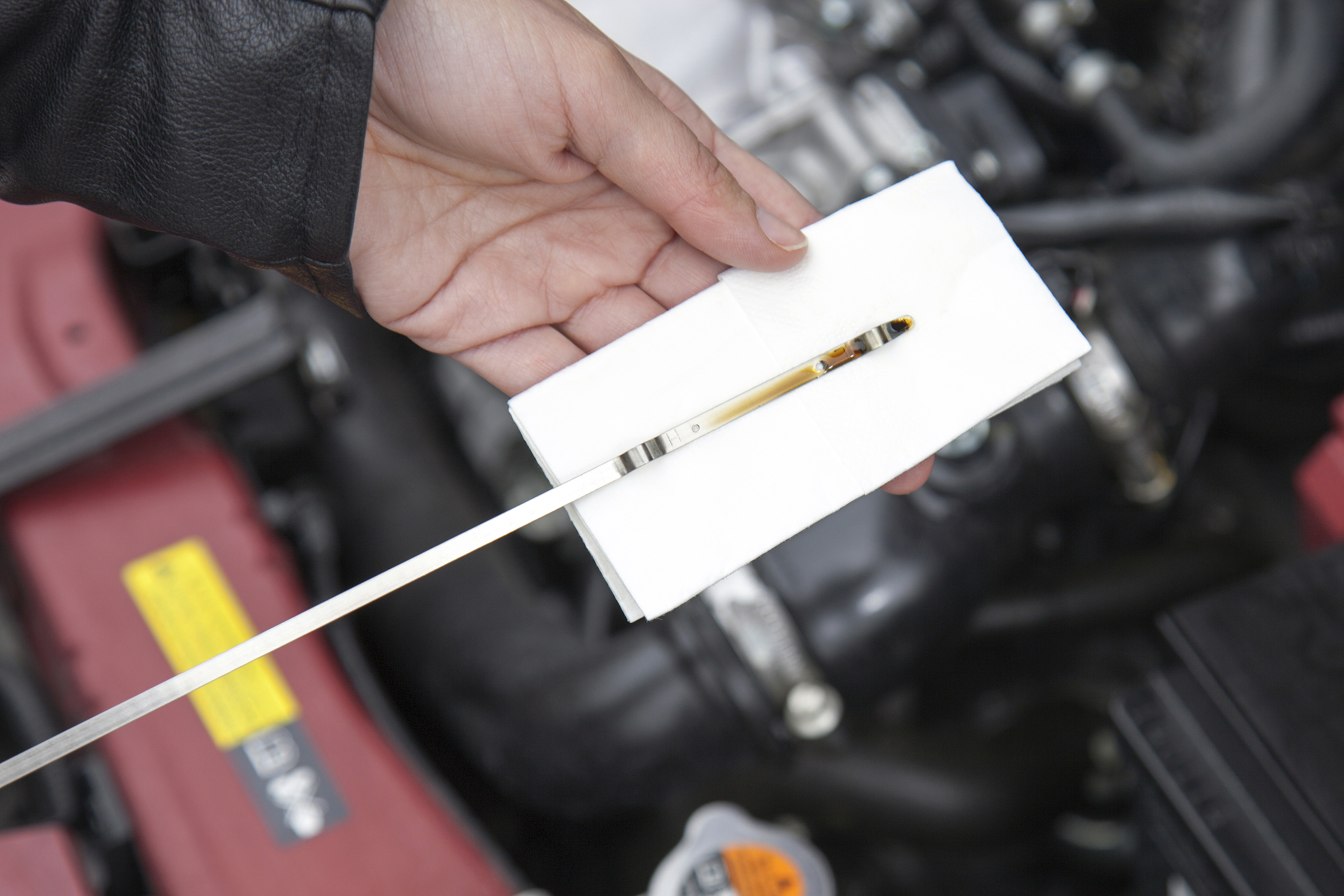
Car oil testing involves taking a sample of engine oil and analysing it to evaluate its condition. The results provide insight into both the oil itself and the internal state of the engine.
Key elements assessed during an oil test include:
- Contamination from dirt, fuel or water
- Metal particles indicating component wear
- Changes in viscosity
- Oil degradation due to heat and use
This information helps determine whether the oil is still performing effectively or needs replacing.
What Oil Test Results Mean
Understanding the results of a car oil test allows you to take action before problems escalate.
Contamination Levels
The presence of contaminants such as dirt or fuel can indicate issues with filtration or engine performance. High contamination levels may lead to increased wear if not addressed.
Wear Metals
Metal particles found during a car oil test often come from engine components such as bearings or pistons. Elevated levels can signal early stages of mechanical wear.
Viscosity Changes
If the oil becomes too thick or too thin, it may not lubricate effectively. A car oil test can highlight whether viscosity remains within the recommended range.
Oxidation and Degradation
Over time, oil breaks down due to heat and exposure to air. Testing helps identify when oil is no longer suitable for use.
Why Regular Car Oil Testing Is Important
Carrying out a car oil test at regular intervals provides several benefits:
- Early detection of engine issues
- Reduced risk of unexpected breakdowns
- Improved maintenance planning
- Extended engine lifespan
- Better overall vehicle performance
For businesses managing fleets, these advantages can significantly reduce downtime and operational costs.
When Should You Perform a Car Oil Test
The frequency of testing depends on usage, but common scenarios include:
- High-mileage vehicles
- Heavy-duty or commercial use
- Older engines
- Before and after long journeys
Regular testing ensures you stay ahead of potential problems.
Supporting Engine Performance with the Right Oil
In addition to testing, using high-quality oil is essential for maintaining engine health. Working with experienced suppliers ensures you have access to the right products for your vehicle or fleet.
You can view suitable options through the engine oil range available.
Frequently Asked Questions
Q1: How often should a car oil test be carried out?
It depends on usage, but regular testing is recommended for commercial or high-mileage vehicles.
Q2: Can an oil test detect engine problems early?
Yes, it can identify wear, contamination and degradation before major issues develop.
Q3: Is a car oil test necessary if oil is changed regularly?
Yes, testing provides additional insight into engine condition beyond standard oil changes.
Conclusion
An oil test is a simple yet powerful tool for monitoring engine health and preventing costly repairs. By understanding test results and acting on them promptly, businesses and vehicle owners can maintain performance and reliability.
If you are looking to improve maintenance practices, combining regular testing with high-quality lubricants can deliver better long-term results.
Want to know more? Get in touch
Find us on Google Maps