Introduction
Proper waste lubricant collection is a critical responsibility for UK businesses operating in automotive, manufacturing, marine and engineering sectors. Used oils and lubricants are classified as hazardous waste, meaning they must be handled, stored and disposed of in accordance with strict environmental regulations.
Failure to manage waste lubricants correctly can result in environmental damage, legal penalties and reputational harm. Working with a professional provider such as CP Lubricants ensures businesses remain compliant while maintaining efficient, sustainable operations.
What Is Waste Lubricant Collection?
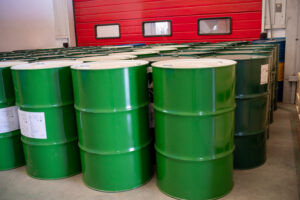
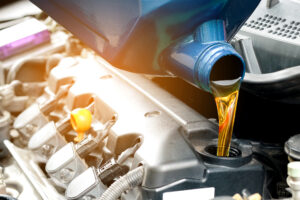
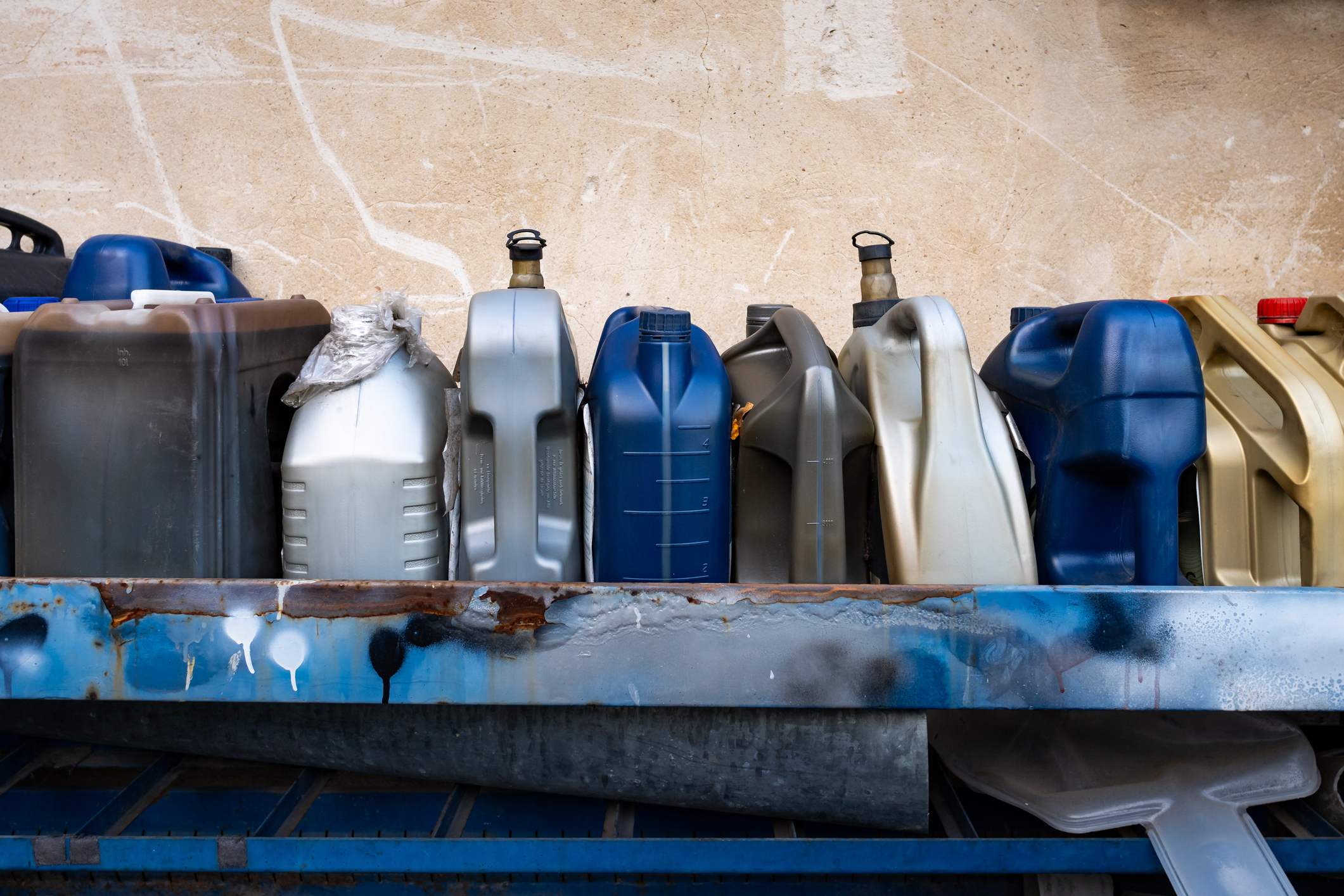
Waste lubricant collection refers to the safe removal, transportation and processing of used oils and lubricating fluids. This may include:
- Engine oils
- Hydraulic oils
- Gear oils
- Metalworking fluids
- Industrial lubricants
- Contaminated oil residues
Once lubricants have degraded or become contaminated, they must be removed from site and either re-refined, recycled or disposed of through authorised waste management channels.
Professional collection services ensure that this process is fully traceable and legally compliant.
Why Environmental Compliance Matters
In the UK, waste oils fall under hazardous waste regulations. Businesses must comply with legislation covering:
- Safe storage in appropriate containers
- Proper labelling of hazardous waste
- Use of licensed waste carriers
- Completion of waste transfer documentation
- Prevention of spills and environmental contamination
Non-compliance can lead to significant fines, enforcement notices or prosecution. More importantly, improper disposal can contaminate soil, watercourses and drainage systems.
A structured waste lubricant collection programme removes these risks.
The Environmental Impact of Used Lubricants
Used oils can be extremely harmful if released into the environment. Even small quantities can:
- Pollute groundwater
- Damage ecosystems
- Harm wildlife
- Contaminate agricultural land
- Block drainage systems
Professional collection ensures that waste lubricants are processed responsibly. Many used oils can be re-refined and reused, reducing the demand for virgin oil production and supporting a circular economy.
The Benefits of Professional Waste Lubricant Collection
Partnering with an experienced supplier such as CP Lubricants provides several advantages.
1. Legal Compliance Assurance
Licensed waste carriers ensure all collections meet UK environmental standards. Proper documentation provides a clear audit trail in case of inspection.
2. Scheduled Collections
Regularly scheduled waste lubricant collection prevents storage areas from becoming overloaded and reduces the risk of leaks or spills.
3. Safe Storage Solutions
A complete service often includes the provision of appropriate storage and dispensing equipment, helping businesses manage waste safely between collections.
4. Environmental Responsibility
Responsible recycling and re-refining reduce environmental impact and support sustainability goals.
5. Operational Efficiency
With waste managed professionally, internal teams can focus on core business activities without worrying about compliance risks.
Industries That Require Waste Lubricant Collection
Waste lubricant collection is essential across multiple sectors, including:
- Automotive workshops and garages
- Fleet operators
- Manufacturing plants
- Engineering firms
- Marine operators
- Construction businesses
Any organisation using oils or metalworking fluids must have a compliant disposal strategy in place.
How the Collection Process Works
A typical waste lubricant collection service follows a structured process:
- Assessment of on-site storage requirements
- Provision of compliant containers if needed
- Scheduled or on-demand collection
- Safe transportation by licensed carriers
- Recycling, re-refining or approved disposal
- Issuance of appropriate documentation
Working with a full-service supplier ensures integration between oil supply and waste removal, simplifying management and reporting.
Integrating Supply and Collection
One of the key advantages of working with a specialist lubricant distributor is the ability to combine product supply with waste management.
CP Lubricants not only supplies a wide range of branded oils and metalworking fluids, but also provides collection of used products. This integrated approach delivers:
- Simplified supplier management
- Consistent service standards
- Improved sustainability reporting
- Reduced administrative burden
By consolidating supply and waste services, businesses gain greater control over their lubrication lifecycle.
Choosing the Right Waste Lubricant Collection Provider
When selecting a provider, businesses should consider:
- Proper licensing and certifications
- Experience in their specific industry
- Transparent documentation processes
- Reliable collection schedules
- Ability to supply and service storage equipment
- Commitment to environmental best practice
An independent distributor with strong industry partnerships offers both flexibility and expertise.
Conclusion
Waste lubricant collection is far more than a routine operational task. It is a legal obligation, an environmental responsibility and an essential part of maintaining safe, efficient operations.
By partnering with a trusted supplier such as CP Lubricants, UK businesses can ensure full compliance, reduce environmental risk and benefit from a streamlined, professional service that covers the entire oil lifecycle — from supply and storage to responsible waste collection.
Want to know more? Get in touch
Find us on Google Maps