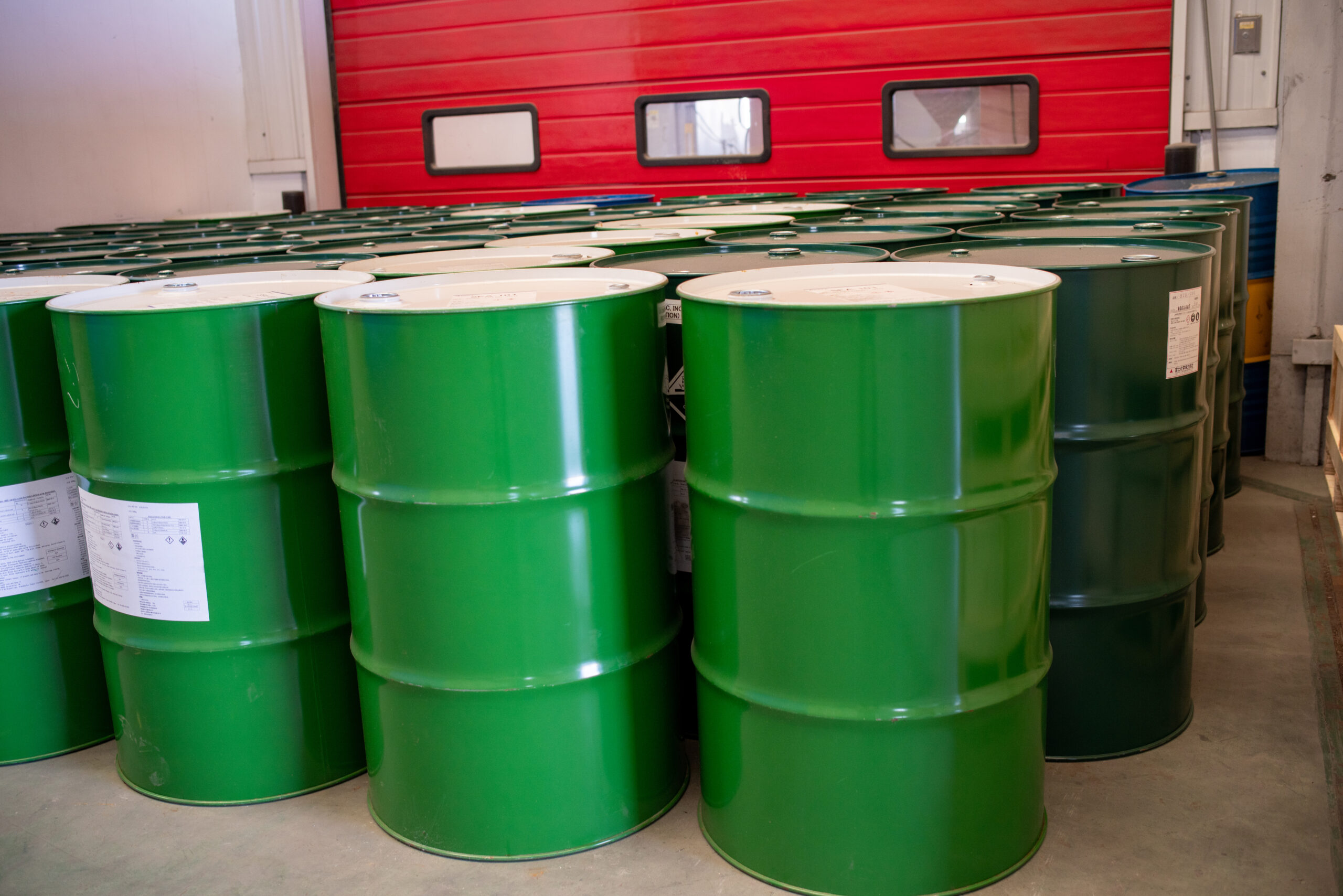
Businesses should dispose of waste oil safely by storing it correctly, preventing contamination, using authorised waste carriers and keeping the right documentation. Waste oil should never be poured down drains, tipped onto land, mixed casually with other waste or left in unsuitable containers. It can harm the environment, create safety risks and lead to compliance issues if it is not managed properly.
For industrial, automotive, agricultural and commercial businesses, waste oil is often a regular part of maintenance. It may come from vehicle servicing, machinery oil changes, hydraulic systems, gearboxes, compressors or workshop activity. Although used oil may look like a routine by-product, it needs careful handling from the moment it is drained until it is collected for recovery, recycling or disposal.
Safe waste oil management is not only about meeting legal duties. It also helps protect staff, reduce spill risks, keep sites organised and show that the business takes environmental responsibility seriously.
What counts as waste oil?
Waste oil is oil that is no longer suitable for its original use. In a business setting, this can include used engine oil, hydraulic oil, gear oil, lubricating oil, compressor oil and other oils removed from machinery, vehicles or equipment during servicing.
Waste oil may also include oily residues, contaminated oils, oil drained from filters or oils that have become mixed with water, dirt, metal particles or other substances. Some oils may still have recovery value, but they should still be treated as waste once the business has decided they are no longer usable.
Common sources of waste oil include:
- vehicle servicing and fleet maintenance
- industrial machinery oil changes
- hydraulic system maintenance
- gearbox servicing
- agricultural equipment maintenance
- workshop cleaning and draining activities
- oil storage tank maintenance
- accidental contamination of unused oil
The key point is that waste oil should be clearly identified and separated from usable stock. If used oil is stored alongside new oil without clear labelling, there is a greater risk of confusion, contamination or accidental misuse.
Why does waste oil need careful handling?
Waste oil can contain contaminants that make it more hazardous than fresh oil. During use, oil may collect metal particles, combustion by-products, dirt, water, fuel, chemicals or degradation products. This means it should not be treated as ordinary waste.
If waste oil is spilled, poured away or stored badly, it can pollute soil, surface water and drains. Even a relatively small quantity can spread and create a difficult clean-up problem. Oil can also make floors slippery, increase fire risk in some situations and contaminate other waste streams.
For businesses, poor waste oil handling can lead to operational problems as well as environmental risk. Spill clean-up takes time, contaminated areas may need specialist attention and poor storage can create health and safety concerns for staff.
A safe approach begins with treating waste oil as a controlled material that needs proper containment, labelling and collection.
How should waste oil be stored before collection?
Waste oil should be stored in suitable, clearly labelled containers that are strong enough for the material being held. Containers should be kept secure, protected from damage and positioned where spills can be controlled.
The best storage method will depend on the volume of oil, the type of site and how frequently collections are arranged. Some businesses may use drums or dedicated waste oil tanks, while others may need larger storage arrangements.
Good waste oil storage should include:
- clearly labelled containers for waste oil only
- lids or closures to prevent rainwater, dirt and debris entering
- secure storage away from drains and watercourses
- suitable secondary containment where required
- regular checks for leaks, corrosion or damage
- controlled access to reduce accidental misuse
- separation from incompatible wastes
Waste oil should not be left in open trays, unmarked containers or containers that previously held unknown substances. It should also not be mixed with solvents, brake fluids, coolant, fuels or general waste unless the collection provider has specifically confirmed that this is acceptable.
Mixing waste streams can make disposal more difficult, more expensive and potentially non-compliant.
Why should waste oil be kept separate?
Keeping waste oil separate helps maintain control and reduces disposal problems. When used oil is mixed with other substances, it may become harder to recover or recycle. It may also require a different waste classification or specialist handling.
For example, used engine oil mixed with coolant, solvents or fuel may need different treatment from used lubricating oil alone. The same applies if waste oil becomes heavily contaminated with water or process chemicals.
Clear separation also helps staff understand what should go where. In busy workshops or industrial sites, poor labelling can lead to mistakes. A container marked simply as “waste” may collect a mixture of oils, cleaning fluids, rags and other materials. This makes collection and documentation more difficult.
Businesses should create a simple, practical system. New oil, used oil and other waste streams should be labelled clearly and stored in separate areas where possible.
What legal responsibilities apply to businesses?
Businesses have a duty of care when producing, storing, transporting or disposing of waste. This means they must make sure waste is handled safely and passed only to authorised people or organisations.
Waste oil is usually classed as hazardous waste in England and Wales, or special waste in Scotland. This means businesses need to follow the relevant rules for classification, storage, transfer and documentation.
In practical terms, businesses should make sure that:
- waste oil is stored safely before collection
- waste is described accurately
- an authorised waste carrier is used
- the correct transfer or consignment paperwork is completed
- records are kept for the required period
- waste is not allowed to escape or cause pollution
GOV.UK states that businesses have a duty of care to make sure their waste is managed properly from production to final disposal. This duty applies even after the waste leaves the site, so businesses should not hand waste oil to an unverified collector.
Why authorised waste carriers matter
A business should use an authorised waste carrier to collect waste oil. This helps ensure the oil is transported and managed by an organisation that is legally allowed to handle that type of waste.
Using an unauthorised collector can create serious problems. If waste oil is fly-tipped or disposed of illegally, the business that produced it may still be investigated if it failed to take reasonable steps. This is why checking credentials is important.
Before arranging collection, businesses should ask:
- Are you registered to carry waste?
- Can you collect this type of waste oil?
- What documentation will be provided?
- Will the oil be recovered, recycled or disposed of?
- Are there any restrictions on contamination or mixed waste?
- How should the oil be stored before collection?
This is not just a paperwork exercise. It protects the business by creating a clear record of responsible waste handling.
What documentation should businesses keep?
Waste documentation is an important part of safe disposal. The exact paperwork depends on the location, waste type and collection arrangement, but businesses should expect to receive records showing what waste was collected, when it was collected, who collected it and where it was going.
For hazardous waste, this may include consignment notes. For other controlled waste movements, waste transfer notes may apply. Businesses should keep these records securely so they can demonstrate that waste oil was handled correctly.
Good records can also help with internal management. They allow a business to track how much waste oil is being produced, how often collections are needed and whether maintenance activity is generating more waste than expected.
For example, a sudden increase in waste hydraulic oil could indicate leaks, frequent oil changes or contamination issues. Waste records can therefore support both compliance and maintenance planning.
How can businesses prevent waste oil spills?
Spill prevention should be part of everyday waste oil management. Most spills happen during draining, transfer, storage or movement of containers. These are practical activities, so staff need clear processes and suitable equipment.
Businesses can reduce spill risk by:
- using funnels, pumps or sealed transfer equipment
- avoiding overfilling containers
- keeping lids closed when containers are not in use
- placing containers away from vehicle impact areas
- training staff in spill response
- keeping spill kits nearby
- inspecting containers regularly
- cleaning up small leaks promptly
A spill kit should be suitable for oil and positioned where it can be used quickly. Staff should know how to contain a spill and who to report it to. Delays can allow oil to spread into drains, across yards or into soil.
Where oil is drained from machinery or vehicles, drip trays and controlled transfer equipment can help prevent small leaks becoming routine site contamination.
What should businesses avoid when disposing of waste oil?
There are several common mistakes businesses should avoid. Waste oil should never be poured into drains, onto land, into watercourses or into general waste bins. It should not be burned on site unless the business has the correct permits and equipment, and it should not be handed to informal collectors.
Businesses should also avoid storing waste oil indefinitely. Long-term storage increases the risk of leaks, container deterioration, rainwater ingress and forgotten stock. A planned collection schedule is usually safer and more organised.
Another mistake is mixing waste oil with other waste. This can make disposal more complicated and may increase costs. If a business is unsure whether two waste streams can be combined, it should ask the collection provider before mixing them.
Finally, waste oil should not be stored in food containers, open buckets, damaged drums or unlabelled containers. These practices create unnecessary risks and can make a site look poorly managed.
Can waste oil be recycled or recovered?
In many cases, waste oil can be recovered, recycled or reprocessed, depending on its type and contamination level. Some used oils can be treated and reused as base oils or recovered for other controlled uses. However, this depends on the quality of the collected oil and the facilities handling it.
Keeping waste oil clean and separate improves the chances of recovery. If it is mixed with water, solvents, fuels or other contaminants, recovery may become more difficult. This is another reason why good storage and separation are important.
Businesses should ask their waste oil collection provider what happens to the oil after collection. Responsible disposal is about more than removing waste from site. It is about making sure the material is managed properly through the next stage.
How does safe waste oil disposal support business reputation?
Many customers, suppliers and commercial partners now expect businesses to manage environmental responsibilities properly. Safe waste oil disposal shows that a company takes pollution prevention, site safety and compliance seriously.
This is especially relevant for manufacturers, fleet operators, workshops, agricultural businesses and engineering firms. Poor waste handling can damage trust, particularly if it leads to visible spills, complaints or enforcement action.
A clean, organised oil storage and waste area also sends a positive message internally. Staff are more likely to follow good practice when the system is clear, labelled and easy to use.
How often should waste oil be collected?
Collection frequency depends on how much waste oil the business produces and how much safe storage capacity is available. A business that services vehicles daily may need regular collections, while a smaller industrial site may produce waste oil only during planned maintenance.
The goal is to avoid both over-storage and emergency collections. If waste oil containers are frequently close to capacity, collection frequency should be reviewed. Overfilled containers are more likely to spill, and staff may start using unsuitable temporary storage if the correct containers are full.
A planned collection schedule helps keep the site tidy and reduces risk. It also supports better record keeping because waste movements become part of routine operations.
Frequently Asked Questions
Can businesses pour small amounts of waste oil down the drain?
No. Waste oil should never be poured down drains, onto land or into watercourses. Even small amounts can cause pollution and create clean-up problems. It should be stored safely and collected by an authorised waste carrier.
Is waste oil hazardous waste?
In many business contexts, waste oil is classed as hazardous waste in England and Wales, or special waste in Scotland. Businesses should check the correct classification for the oil and follow the relevant storage, transfer and documentation rules.
Can different waste oils be stored together?
Only if it is suitable and agreed with the waste collection provider. Mixing oils with other fluids, such as solvents, coolant, fuel or chemicals, can create disposal problems and may change the waste classification.
How should waste oil containers be labelled?
Containers should be clearly labelled to show that they contain waste oil. Where possible, include the type of oil or waste stream. Clear labelling reduces confusion and helps staff avoid mixing waste incorrectly.
What should a business do after a waste oil spill?
The spill should be contained quickly using suitable oil spill materials. Staff should prevent oil reaching drains or watercourses, report the incident internally and arrange appropriate clean-up. Larger spills may require specialist support.
Businesses should dispose of waste oil safely by keeping it separate, storing it securely, preventing spills, using authorised waste carriers and keeping proper records. Good waste oil management protects the environment, reduces site risks and helps businesses meet their duty of care.
The safest approach is to make waste oil disposal part of normal maintenance planning. Clear labelling, suitable containers, staff awareness and reliable collection arrangements can prevent many common problems.
For support with lubricant supply, product selection and responsible oil management, contact CP Lubricants.
Phone: 023 8033 7800
Email: sales@cplubricants.co.uk
Find out more: https://cplubricants.co.uk/
Want to know more? Get in touch
Find us on Google Maps