
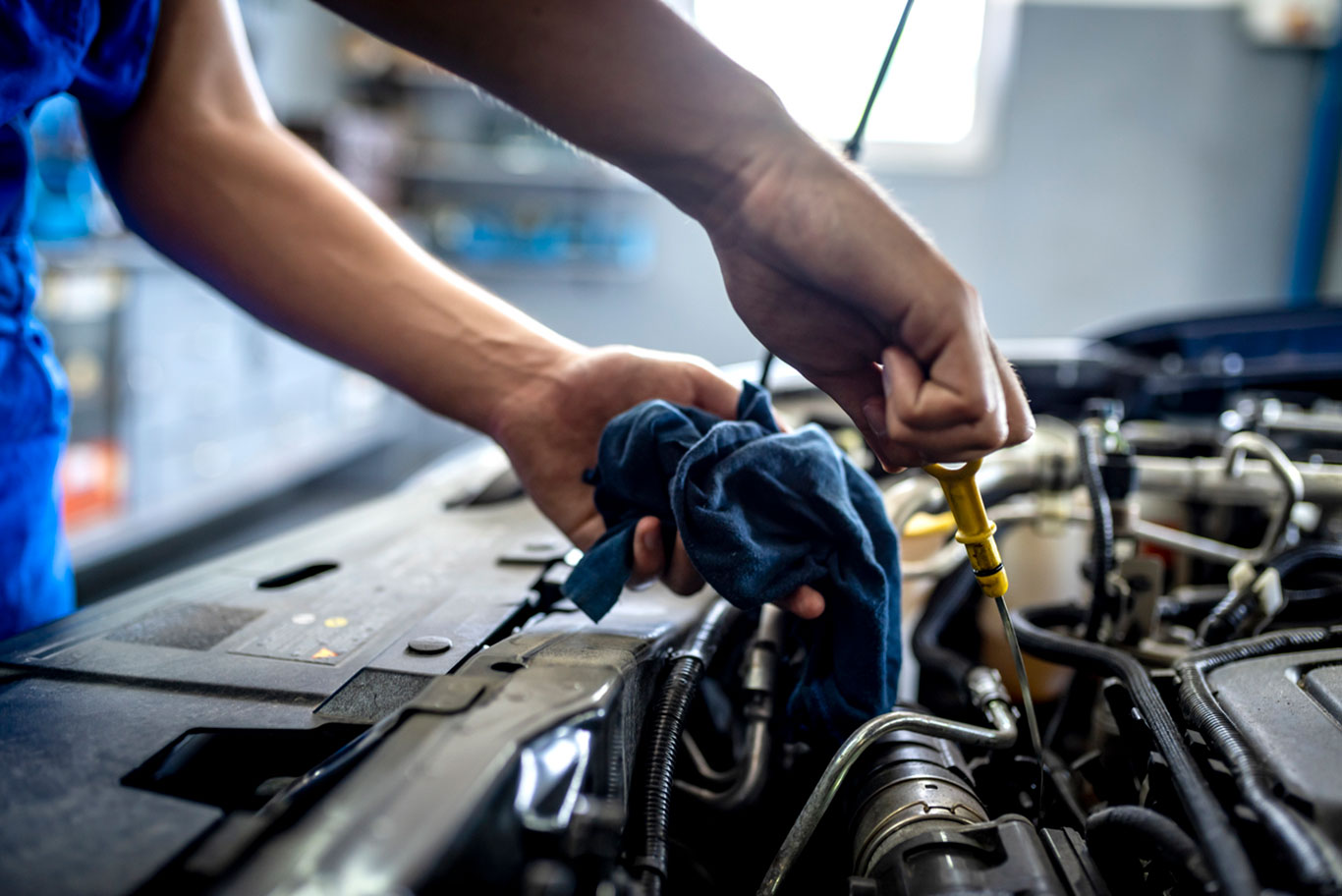
For businesses that rely on heavy machinery and industrial equipment, unplanned downtime can be extremely costly and disruptive to operations. Regular oil testing is one of the most effective ways to identify potential issues before they cause failures or production delays. By carefully analysing the condition of your lubricants, you gain valuable insights into equipment health, contamination, and wear — helping you make smarter, data-driven maintenance decisions.
At CP Lubricants, our comprehensive oil testing and analysis services help UK industries monitor lubricant condition, extend machinery life, improve reliability, and maintain peak performance across a wide range of applications and operating environments.
What Is Oil Testing?
Oil testing (also known as lubricant analysis) involves laboratory evaluation of oil samples taken from engines, hydraulics, or gear systems. This process identifies changes in the oil’s physical and chemical properties, allowing early detection of wear, contamination, or degradation.
Common Tests Include:
- Viscosity testing – measures oil’s resistance to flow and its protective properties.
- Contamination detection – checks for water, dirt, or fuel dilution.
- Wear metal analysis – identifies metals shed from engine or gearbox components.
- Oxidation and additive analysis – evaluates oil ageing and chemical balance.
Why Oil Testing Is Essential for Machinery Health
Regular oil condition monitoring ensures your lubricants perform at their best. Ignoring lubricant health can lead to premature wear, overheating, or system breakdown.
Key Benefits of Oil Testing:
- Early detection of internal wear and contamination
- Reduced downtime and unexpected repairs
- Improved machinery reliability and performance
- Longer oil and equipment life
How Oil Testing Reduces Downtime
By implementing a consistent predictive maintenance programme, businesses can identify potential problems before they escalate. Oil sample analysis helps pinpoint the exact cause of issues such as excessive wear, poor filtration, or contamination, allowing maintenance teams to take targeted corrective action.
Practical Benefits:
- Prevents costly breakdowns
- Optimises maintenance schedules
- Enhances operational safety and efficiency
CP Lubricants’ Oil Testing Services
At CP Lubricants, we offer a complete range of industrial oil testing and lubricant analysis solutions tailored to your equipment and operating conditions. Our laboratory services help businesses across the UK maintain efficient, reliable systems.
Our Testing Services Include:
- Comprehensive oil sample analysis
- Contamination and wear monitoring
- Expert data interpretation and reporting
- Personalised recommendations for corrective action
Our experienced technical team helps you understand your results and implement strategies to prevent future failures.
Explore our Own Brand Oils to complement your oil testing programme and ensure complete equipment protection.
Contact CP Lubricants today for professional oil testing and support:
📞 023 8033 7800
📧 sales@cplubricants.co.uk
Frequently Asked Questions (FAQs)
Q1: How often should oil testing be performed?
A1: The frequency of oil testing depends on the type of equipment, operating conditions, and environmental factors. For most industrial systems, testing every 500–1,000 operating hours is recommended. However, for machinery working under extreme loads, temperatures, or in contaminated environments, more frequent testing may be necessary. Establishing a regular testing schedule ensures accurate trend analysis and early detection of potential problems before costly breakdowns occur.
Q2: What can it detect?
A2: Oil testing can identify a wide range of issues, including contamination from dirt or water, oxidation, fuel dilution, and the presence of metal particles caused by wear. It also monitors the oil’s viscosity, additive depletion, and overall condition. These insights help diagnose equipment health and determine whether the lubricant remains effective or requires changing.
Q3: Can oil testing extend equipment life?
A3: Yes. Routine oil analysis plays a crucial role in predictive maintenance. By spotting early signs of lubricant degradation or mechanical wear, it allows timely corrective actions, such as filter changes or fluid replacement. Maintaining clean, healthy oil reduces friction, prevents corrosion, and significantly extends the lifespan of critical machinery components.