There is always a way, once you know a few basic facts.
We all know the saying, “You get what you pay for”, and this is still true. However, with a little thought and a little more effort, plant operators can potentially save a great deal of money.
Consider the True Cost of a Hydraulic Pump Failure
Ask yourself: how much is a new hydraulic oil pump? £1,000? £2,000, maybe?
I can hear a few sharp intakes of breath, but it is true. Take the following into account and you will soon reach the £1,000 mark:
- Operator downtime
- The mechanic’s time spent finding, buying or collecting the part
- Fitting the replacement part
- Obtaining new hydraulic oil
- Refilling the reservoir
These costs soon add up, and I have not included the possible cost of contract overrun penalties.
So, why not take a few extra minutes to check the basic facts about using hydraulic oil?
Prevent the Repair Before It Happens
I am going to use a term that is little understood by some people: preventative maintenance.
In other words, stop the repair before it becomes necessary.
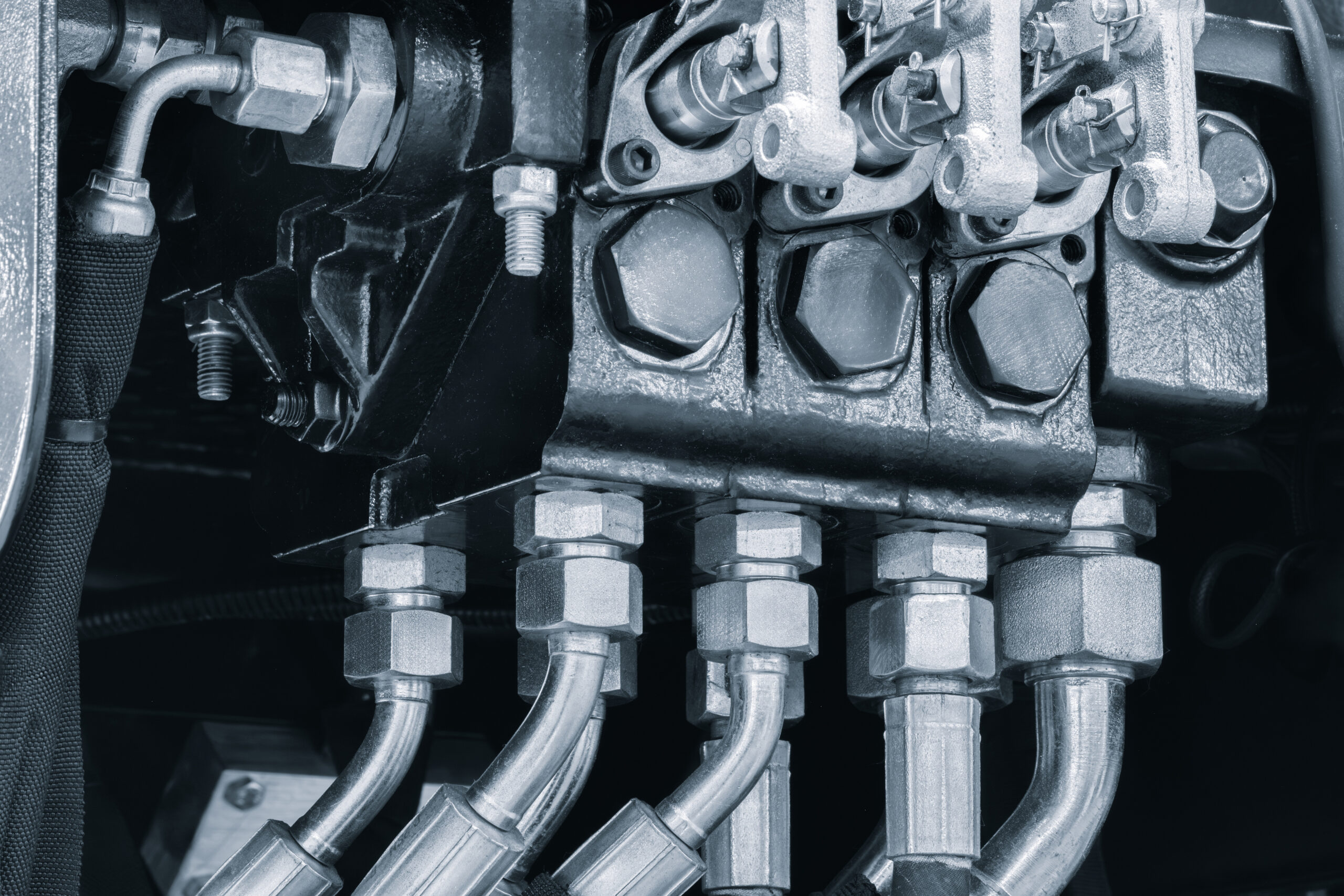
In use, hydraulic oil gets hot. Why? Because it is being forced through small openings in your equipment’s valve chests, hoses and valves at very high pressure and speed. This creates friction and generates heat.
If the oil is holding too much heat and does not have time to cool down, either in the tank or through the coolers, where fitted, it can begin to absorb moisture from the air.
Each time a ram is extended, the oil level in the reservoir drops. This draws in fresh air through the tank breather. That air can contain moisture, dust and whatever else happens to be passing at the time.
The oil holds these contaminants in suspension and may begin to change colour. At first, the change is very slight. It may not be until the oil looks cloudy in the holding tank’s sight tube, if one is fitted, that the operator notices and says something.
By then, it may be too late.
How Moisture Leads to Wear
When the machine is idle, water can begin to drop out of the oil throughout the system, including the residue left in the pumps.
This promotes oxidation, which can lead to rust and wear on metal surfaces.
Wear means the hydraulic pump must work harder to maintain the required pressure. This results in more shearing of the oil, which creates more heat.
We then have an ongoing, self-feeding problem that can eventually lead to failure.
Check the Oil and the Reservoir
There are a couple of things to consider if you want to save money.
First, consider the standard of the oil. Did you pay a reasonable price for it, or was it much cheaper than normal?
Ask your supplier for a performance data sheet and check that the oil is suitable for the equipment and application.
Another possible problem is that the reservoir holding the reserve volume of hydraulic oil is too small. If this is the case, the oil may not have enough time to cool before returning to the system.
Check the temperature of the tank while the equipment is working normally. If it is running very hot, the oil may not be cooling sufficiently.
Manufacturers sometimes use smaller reservoirs to save space, which can exacerbate the problem.
The solution may be to fit a larger tank, check the oil coolers for obstructions or consider changing the performance level of the oil.
Would a High VI Oil Help?
One option may be to move to a high VI oil, meaning an oil with a high viscosity index.
VI is a number given to an oil to indicate how quickly its thickness changes with the application of heat.
We all know that oil gets thinner as it warms up. The higher the VI number, the more slowly the oil’s viscosity changes as its temperature rises.
Most standard hydraulic oils have a VI of between 90 and 100. High VI oils may have a figure of around 120 or above, depending on the grade.
Any change of oil should still be checked against the requirements of the equipment.
Keep Hydraulic Oil Clean
Another little-considered problem is the cleanliness of the oil being put into an expensive and sophisticated piece of equipment.
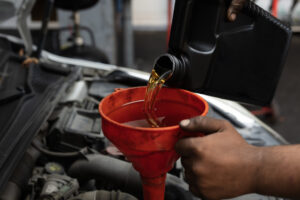
How many mechanics use properly clean containers to transfer fluids from bulk storage to the machine?
It is likely that someone will grab the closest tin that looks clean. In reality, it may contain dust or other contaminants.
I call this a “ready-made emery cloth”, just waiting to wear everything it touches.
Transfer containers, pumps and funnels should therefore be kept clean, dry and protected from contamination. Hydraulic oil should also be stored correctly and kept sealed until it is needed.
Key Points to Consider
To sum up, consider the following:
- The grade and standard of oil being used
- The storage and transfer of the fluid
- The construction of the hydraulic system
- The size of the reservoir
- The condition of the oil coolers
- The quality of the breather filtration
Hydraulic cleaning services should also be considered carefully. If contaminants are stripped out of the hydraulic oil, ask whether anti-wear additives are replaced and, if so, whether they are the correct type.
A little more attention to oil quality, temperature and cleanliness can help avoid expensive pump failures, unnecessary downtime and the wider costs of repairing a hydraulic system.
Chris Piper
CP Lubricants
Phone: 023 8033 7800
Email: sales@cplubricants.co.uk
Find out more: CP Lubricants
Want to know more? Get in touch
Find us on Google Maps