Waste oil disposal is a critical responsibility for businesses that generate used oil through vehicles, machinery or industrial processes. In the UK, strict regulations govern how waste oil must be handled to prevent environmental harm and ensure legal compliance.
Improper waste oil disposal can lead to significant penalties, operational disruption and long-term environmental damage. For industrial and commercial organisations, understanding the correct procedures is essential.
This guide explains how waste oil disposal works, what your legal responsibilities are and how to manage the process effectively.
What Counts as Waste Oil?
Waste oil is any oil that has become contaminated or degraded and is no longer suitable for use.
This includes:
- Engine oil from fleet vehicles
- Hydraulic oil from machinery
- Gear oil from industrial systems
- Lubricating oil used in production processes
Once oil reaches this stage, it must be disposed of in accordance with UK regulations.
Why Waste Oil Disposal Is Strictly Controlled
Waste oil can cause serious environmental damage if handled incorrectly. It can contaminate water sources, harm wildlife and pollute soil.
Because of these risks, waste oil is classified as hazardous waste in the UK. Businesses must follow strict procedures to ensure it is disposed of safely and responsibly.
Regulations are designed to:
- Prevent environmental pollution
- Protect public health
- Ensure safe transport and processing
- Encourage recycling where possible
Legal Requirements for Waste Oil Disposal
Businesses must comply with several legal obligations when managing waste oil.
Duty of Care
Under UK law, businesses have a duty of care to ensure waste is handled properly from creation to final disposal.
This includes:
- Storing waste oil safely
- Preventing leaks or spills
- Using authorised waste carriers
- Keeping accurate records
Using Licensed Waste Carriers
Waste oil must only be collected and transported by licensed carriers. Businesses should verify that their provider is authorised to handle hazardous waste.
Guidance is provided by the Environment Agency, which oversees compliance and enforcement.
Documentation and Record Keeping
Proper documentation is essential for compliance.
This typically includes:
- Waste transfer notes
- Hazardous waste consignment notes
- Records of collection and disposal
These documents demonstrate that waste has been handled correctly.
Storage and Handling
Before disposal, waste oil must be stored safely.
Key requirements include:
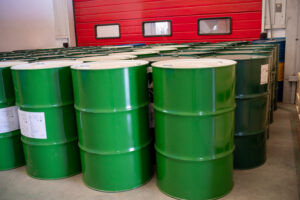
- Using sealed, labelled containers
- Preventing contamination
- Storing oil in designated areas
Poor storage can lead to environmental risks and regulatory breaches.
Can Businesses Dispose of Waste Oil Themselves?
In most cases, businesses should not attempt to dispose of waste oil themselves.
Handling hazardous waste requires:
- Proper licensing
- Specialist equipment
- Compliance with transport and disposal regulations
Using a professional service ensures that waste oil disposal is carried out safely and legally.
What Happens to Waste Oil After Disposal?
Waste oil is not always simply discarded. In many cases, it can be processed and reused.
Recycling
Waste oil can often be refined and reused as base oil or converted into fuel.
Treatment
If recycling is not possible, waste oil is treated to reduce its environmental impact before disposal.
Final Disposal
Any remaining waste is disposed of in accordance with environmental regulations.
Proper processing ensures minimal impact on the environment.
Risks of Improper Waste Oil Disposal
Failing to manage waste oil correctly can have serious consequences.
Legal Consequences
- Fines and penalties
- Enforcement action
Environmental Impact
- Soil and water contamination
- Damage to ecosystems
Operational Risks
- Business disruption
- Increased inspections and compliance requirements
Maintaining proper disposal procedures helps avoid these risks.
Real-World Scenario: Transport Fleet
A logistics company managing a fleet of vehicles attempted to reduce costs by delaying waste oil disposal and storing used oil on-site for extended periods.
This resulted in:
- Storage capacity issues
- Increased risk of leaks
- Regulatory concerns during inspection
After switching to a scheduled disposal service:
- Compliance improved
- Risks were reduced
- Operations became more efficient
This highlights the importance of proactive waste oil management.
Good, Better, Best: Waste Oil Disposal Approach
Businesses can manage waste oil disposal in different ways depending on their needs.
Good
- Basic compliance with occasional disposal
- Suitable for low volumes
Better
- Regular disposal schedule
- Improved safety and organisation
Best
- Fully managed waste oil disposal service
- Complete compliance support
- Ideal for high-volume or regulated operations
For most industrial businesses, a managed service provides the best balance of compliance and efficiency.
Common Mistakes to Avoid
Avoid these common errors when handling waste oil disposal:
- Using unlicensed disposal services
- Failing to keep proper documentation
- Storing oil incorrectly
- Delaying disposal too long
- Ignoring regulatory requirements
Each of these can lead to legal and operational issues.
Frequently Asked Questions
Q1: Is waste oil disposal regulated in the UK?
Yes. Waste oil is classified as hazardous and must be handled according to strict regulations.
Q2: Can waste oil be recycled?
Yes. Many types of waste oil can be processed and reused.
Q3: Do I need a licensed carrier for waste oil disposal?
Yes. Only authorised carriers can legally handle and transport waste oil.
Q4: What happens if waste oil is disposed of incorrectly?
Businesses may face fines, legal action and environmental damage.
Q5: How often should waste oil be disposed of?
This depends on the volume generated and storage capacity, but regular disposal is recommended.
Summary
Waste oil disposal is a vital part of responsible business operations. By understanding legal requirements, using authorised services and maintaining proper documentation, businesses can ensure compliance and reduce risk.
Effective waste oil management not only protects the environment but also supports efficient and reliable operations.
For expert support with waste oil disposal and access to compliant, reliable solutions, contact CP Lubricants.
Phone: 023 8033 7800
Email: sales@cplubricants.co.uk
Find out more: https://cplubricants.co.uk/
Want to know more? Get in touch
Find us on Google Maps