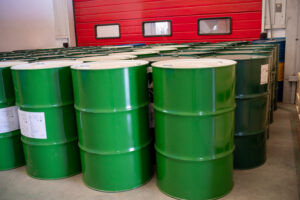
Waste oil collection is a critical responsibility for businesses that generate used oil through machinery, vehicles or industrial processes. In the UK, strict regulations govern how waste oil must be stored, handled and collected to prevent environmental damage and ensure legal compliance.
Failure to follow proper waste oil collection procedures can result in fines, operational disruption and reputational damage. Understanding your responsibilities is essential for maintaining compliance and protecting your business.
This guide explains how waste oil collection works in the UK, what regulations apply and how to manage the process effectively.
What Is Waste Oil?
Waste oil refers to any oil that has become contaminated or degraded through use and is no longer suitable for its original purpose.
Common sources include:
- Engine oil from vehicles and fleets
- Hydraulic oil from machinery
- Gear oil from industrial equipment
- Lubricating oil used in manufacturing
Once oil becomes waste, it must be handled according to strict environmental regulations.
Why Waste Oil Collection Is Regulated
Used oil can be harmful to the environment if not managed correctly. It can contaminate soil, water and ecosystems, making proper collection and disposal essential.
In the UK, waste oil is classified as hazardous waste, meaning it must be controlled from the point of production through to final disposal or recycling.
Regulations are designed to:
- Prevent pollution
- Protect public health
- Ensure safe handling and transport
- Promote recycling where possible
Key UK Regulations for Waste Oil Collection
Businesses handling waste oil must comply with several legal requirements.
Duty of Care
Under UK law, businesses have a duty of care to ensure waste is managed correctly.
This means you must:
- Store waste oil safely and securely
- Prevent leaks or spills
- Use authorised waste carriers
- Keep accurate records of waste transfers
Waste Transfer Notes
Every time waste oil is collected, a waste transfer note must be completed. This document records:
- Type and quantity of waste
- Collection and delivery details
- Information about the carrier
These records must be retained for inspection.
Hazardous Waste Requirements
Because waste oil is hazardous, additional controls may apply depending on the volume and type of oil being handled.
For official guidance, refer to Environment Agency, which outlines compliance requirements for hazardous waste management.
Storage Regulations
Waste oil must be stored in appropriate containers that are:
- Clearly labelled
- Sealed and secure
- Resistant to leaks and damage
Storage areas should also be designed to prevent contamination of surrounding environments.
Who Is Responsible for Waste Oil Collection?
The responsibility for waste oil does not end when it leaves your site. Businesses remain responsible for ensuring it is handled correctly throughout the entire process.
This includes:
- Choosing a licensed waste oil collection provider
- Verifying that the carrier is authorised
- Keeping documentation for compliance
Failure to meet these responsibilities can result in legal penalties.
How Often Should Waste Oil Be Collected?
The frequency of waste oil collection depends on several factors.
Volume of Waste Generated
Businesses producing large amounts of waste oil may require more frequent collections to avoid storage issues.
Storage Capacity
Limited storage space may require regular collection to prevent overflow or safety risks.
Operational Requirements
Industries with continuous operations often schedule routine collections to maintain efficiency.
What Happens After Waste Oil Collection?
Once collected, waste oil is typically processed for recycling or disposal.
Recycling
In many cases, waste oil can be refined and reused as a base oil or fuel source.
Treatment and Disposal
If recycling is not possible, waste oil must be treated and disposed of safely to minimise environmental impact.
Proper handling throughout this process is essential to meet regulatory requirements.
Real-World Scenario: Industrial Workshop
An engineering workshop generating large volumes of used oil struggled with storage and compliance. Waste oil was being held on-site for extended periods, increasing the risk of leaks and regulatory issues.
After implementing a structured waste oil collection schedule:
- Storage risks were reduced
- Compliance improved
- Operations became more efficient
This demonstrates the importance of planning and managing waste oil effectively.
Risks of Non-Compliance
Failing to follow waste oil collection regulations can lead to serious consequences.
Legal Risks
- Fines and penalties
- Enforcement action
Operational Risks
- Disruption to business activities
- Increased inspection requirements
Environmental Risks
- Pollution incidents
- Long-term environmental damage
Maintaining compliance protects both your business and the environment.
Good, Better, Best: Waste Oil Collection Approach
Different approaches can be taken depending on business needs.
Good
- Ad hoc collection when storage is full
- Basic compliance
Better
- Scheduled collection based on usage
- Improved organisation and safety
Best
- Fully managed waste oil collection service
- Regular collections, documentation and compliance support
- Ideal for high-volume or regulated industries
Common Mistakes to Avoid
Managing waste oil collection incorrectly can lead to compliance issues.
Avoid:
- Using unlicensed waste carriers
- Failing to keep proper records
- Storing oil in unsuitable containers
- Allowing waste oil to accumulate excessively
- Ignoring regulatory requirements
Each of these can result in penalties or environmental risks.
Frequently Asked Questions
Q1: Is waste oil considered hazardous in the UK?
Yes. Waste oil is classified as hazardous and must be handled according to strict regulations.
Q2: Do I need a licensed company for waste oil collection?
Yes. You must use an authorised waste carrier to remain compliant.
Q3: How long should waste transfer notes be kept?
They should be retained for inspection, typically for at least two years.
Q4: Can waste oil be recycled?
Yes. Many types of waste oil can be processed and reused.
Q5: What happens if I don’t comply with regulations?
You may face fines, legal action and operational disruption.
Summary
Waste oil collection is a legal and environmental responsibility for businesses across the UK. Understanding regulations, maintaining proper storage and using authorised collection services are essential for compliance.
By managing waste oil effectively, businesses can reduce risk, protect the environment and maintain smooth operations.
For guidance on waste oil collection and access to reliable, compliant solutions, contact CP Lubricants.
Phone: 023 8033 7800
Email: sales@cplubricants.co.uk
Find out more: https://cplubricants.co.uk/
Want to know more? Get in touch
Find us on Google Maps