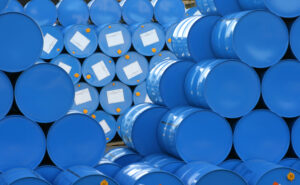
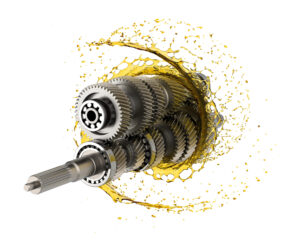
Lubricating oil is essential for keeping industrial machinery running efficiently. It reduces friction, minimises wear and protects components operating under heavy loads and high temperatures. However, not all lubricating oil is the same.
Different machines, environments and operating conditions require specific types of lubricating oil. Using the wrong type can lead to poor performance, increased wear and costly downtime.
This guide explains the main types of lubricating oil used in industrial applications and how to choose the right one for your equipment.
What Does Lubricating Oil Do?
Lubricating oil performs several key functions within machinery, beyond simply reducing friction.
Its primary roles include:
- Creating a protective film between moving parts
- Reducing wear and extending component life
- Dissipating heat from high-friction areas
- Preventing corrosion and contamination build-up
These functions are critical in industries where equipment operates continuously or under demanding conditions.
Main Types of Lubricating Oil
Understanding the different types of lubricating oil helps ensure the correct selection for each application.
Mineral Lubricating Oil
Mineral oils are derived from refined crude oil and are widely used across many industries.
Best suited for:
- General-purpose machinery
- Low to moderate operating conditions
Advantages:
- Cost-effective
- Widely available
Limitations:
- Lower resistance to heat and oxidation
- Shorter service life compared to synthetic options
Synthetic Lubricating Oil
Synthetic oils are engineered to deliver superior performance in demanding environments.
Benefits include:
- Excellent temperature stability
- Longer operational life
- Improved resistance to oxidation and degradation
- Better protection under heavy loads
These are commonly used in high-performance industrial systems where reliability is critical.
Semi-Synthetic Lubricating Oil
This type blends mineral and synthetic oils to offer a balance between performance and cost.
Suitable for:
- Medium-duty applications
- Businesses looking for improved performance without full synthetic cost
Specialty Lubricating Oils
Some applications require highly specialised lubricating oil designed for specific conditions.
Examples include:
- High-temperature oils
- Food-grade lubricants for regulated environments
- Biodegradable oils for environmentally sensitive areas
These oils are tailored to meet strict operational or regulatory requirements.
Key Factors When Choosing Lubricating Oil
Selecting the right oil depends on several critical factors.
Operating Conditions
Consider how the machinery is used:
- Continuous or intermittent operation
- High load or high speed
- Exposure to extreme temperatures
More demanding conditions require higher performance oils.
Viscosity
Viscosity determines how the oil flows and maintains a protective film.
- Low viscosity: better for high-speed systems
- High viscosity: better for heavy loads
Choosing the correct viscosity is essential for effective lubrication.
Additives
Lubricating oil contains additives that enhance performance and protection.
Common additives include:
- Anti-wear agents
- Corrosion inhibitors
- Oxidation stabilisers
- Detergents and dispersants
The right additive package ensures long-term reliability.
Compatibility
Always ensure the oil is compatible with:
- Existing oils in the system
- Seals and materials
- Manufacturer specifications
Incompatibility can lead to reduced performance or damage.
What Happens If You Use the Wrong Lubricating Oil?
Using incorrect oil can have immediate and long-term effects.
Short-Term Issues
- Increased friction and heat
- Reduced efficiency
- Unusual noise or vibration
Long-Term Consequences
- Accelerated wear and component failure
- Build-up of deposits and sludge
- Corrosion within machinery
- Increased maintenance costs
In industrial environments, these issues can disrupt operations and reduce productivity.
Real-World Scenario: Manufacturing Equipment
A production facility operating high-speed machinery began experiencing increased wear on critical components. Despite regular maintenance, failures continued.
The issue was traced to the use of a general-purpose oil that was not suitable for high-speed applications.
After switching to a synthetic oil:
- Component life improved
- Operating temperatures reduced
- Maintenance frequency decreased
This highlights the importance of selecting the correct oil for specific applications.
Good, Better, Best: Lubricating Oil Selection
Choosing the right oil often comes down to balancing cost and performance.
Good
- Mineral oil
- Suitable for basic applications
- Lower upfront cost
Better
- Semi-synthetic oil
- Improved performance and durability
Best
- Fully synthetic oil
- Maximum protection and lifespan
- Ideal for demanding industrial environments
For most commercial users, investing in higher quality oil delivers better long-term value.
Common Mistakes to Avoid
Selecting oil incorrectly can lead to avoidable problems.
Avoid:
- Choosing oil based on cost alone
- Ignoring manufacturer specifications
- Using one oil type for multiple applications without verification
- Mixing incompatible oils
- Neglecting regular maintenance
Each of these can reduce equipment reliability and increase long-term costs.
Frequently Asked Questions
Q1: What is the difference between mineral and synthetic lubricating oil?
Mineral oil is derived from crude oil, while synthetic oil is engineered for better performance and durability under demanding conditions.
Q2: How do I choose the right lubricating oil?
Consider operating conditions, viscosity requirements, additives and manufacturer specifications.
Q3: Can one lubricating oil be used for all machinery?
No. Different machines require specific oils based on their design and operating conditions.
Q4: How often should oil be changed?
This depends on usage and environment. Regular monitoring and maintenance are key.
Q5: Are specialised lubricating oils necessary?
Yes, in certain industries or conditions where standard oils cannot provide adequate protection.
Summary
Lubricating oil is a fundamental component of industrial machinery performance. Understanding the different types and selecting the right one ensures efficient operation, reduced wear and longer equipment life.
By considering operating conditions, viscosity and additive requirements, businesses can make informed decisions that improve reliability and reduce costs.
For expert guidance and a dependable supply of high-quality oil for industrial applications, contact CP Lubricants.
Phone: 023 8033 7800
Email: sales@cplubricants.co.uk
Find out more: https://cplubricants.co.uk/
Want to know more? Get in touch
Find us on Google Maps