For businesses that rely on heavy machinery and industrial equipment, maintenance is key to ensuring reliability and efficiency. One of the most effective ways to protect your investment is through regular oil analysis. This process provides crucial insights into the condition of both your oil and machinery — helping you detect potential issues before they become costly failures.
At CP Lubricants, we provide expert oil analysis services that help UK businesses reduce downtime, extend equipment life, and optimise performance.
What Is Oil Analysis?
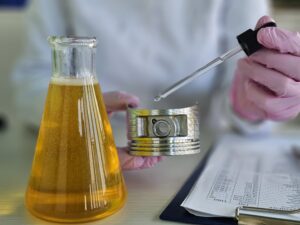
Oil analysis involves testing samples of your lubricant to evaluate its physical and chemical condition. By examining factors such as contamination, viscosity, and metal wear, it gives you a clear picture of what’s happening inside your equipment.
Our CP Lubricants oil testing service uses advanced laboratory techniques to identify early warning signs of wear, contamination, or fluid degradation — enabling proactive maintenance and efficient asset management.
1. Detects Early Signs of Wear and Contamination
Over time, lubricants collect particles, water, and debris that can damage machinery components. Through lubricant testing, these contaminants are detected early, allowing you to take corrective action before major issues arise.
Key Benefits:
- Identifies metal wear particles and chemical changes
- Prevents unexpected breakdowns
- Improves equipment reliability and performance
2. Supports Predictive Maintenance Planning
Regular oil condition monitoring allows you to move from reactive to predictive maintenance. Rather than waiting for parts to fail, oil analysis helps plan servicing based on actual equipment condition.
Why It Matters:
- Reduces downtime and emergency repairs
- Extends oil drain intervals and component lifespan
- Lowers long-term maintenance costs
At CP Lubricants, we tailor predictive maintenance solutions to your specific machinery, helping you achieve operational efficiency and confidence.
3. Optimises Lubricant Performance
Even premium oils degrade over time due to oxidation, heat, and contamination. Routine fluid analysis helps ensure your lubricants are performing as intended. If the oil’s properties change, it may no longer protect against wear or corrosion.
CP Lubricants’ Advantage:
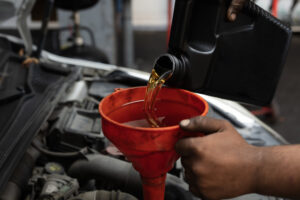
Our oil sampling service provides detailed insight into lubricant health, helping you determine the best time for oil replacement or filtration to maintain peak equipment performance.
4. Extends Equipment Life
By combining oil analysis with consistent contamination control, businesses can significantly extend the life of their equipment. Early detection of problems allows timely action, reducing mechanical stress and ensuring long-term reliability.
Benefits Include:
- Fewer unplanned outages
- Better asset longevity
- Improved return on investment
Why Choose CP Lubricants for Oil Analysis
At CP Lubricants, we combine technical expertise with high-quality testing to help UK industries maintain their machinery. Our oil analysis service provides precise data to improve operational performance and ensure compliance with manufacturer standards.
What We Offer:
- Expert machinery diagnostics and reporting
- Accurate laboratory results with actionable insights
- Support from an experienced industrial maintenance solutions team
- Custom maintenance plans based on oil condition and performance data
Explore our Own Brand Oils to complement your oil analysis programme and enhance overall system reliability.
Contact CP Lubricants for professional oil analysis and support:
📞 023 8033 7800
📧 sales@cplubricants.co.uk
Frequently Asked Questions (FAQs)
Q1: How often should I carry out oil analysis?
A1: For most industrial applications, oil should be tested every 500–1,000 operating hours. However, frequency depends on equipment type, workload, and operating environment. Machinery exposed to high temperatures, heavy loads, or dusty conditions may require more frequent testing to ensure accurate monitoring and early detection of potential issues.
Q2: What does an oil analysis report show?
A2: Reports include data on viscosity, wear metals, water content, and contaminants. This helps determine oil condition and identify internal equipment issues.
Q3: Can oil analysis reduce maintenance costs?
A3: Absolutely. By detecting faults early, oil analysis prevents component damage and unplanned downtime, saving money and improving productivity.