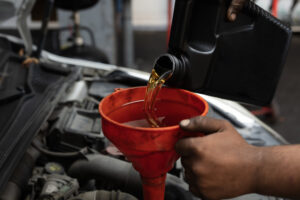
In industrial and workshop environments, oil spills can happen unexpectedly — posing risks to both safety and the environment. That’s where oil absorbents come in. Designed to quickly soak up oils, fuels, and other hydrocarbons, these essential spill control products help businesses stay safe, compliant, and efficient.
At CP Lubricants, we supply a wide range of oil absorbents and spill management solutions designed to meet the needs of UK workshops, garages, and industrial facilities.
What Are Oil Absorbents?
Oil absorbents are materials designed to capture and retain oils and fuels while repelling water. They’re made from synthetic or natural fibres that attract hydrocarbons, allowing for quick and effective clean-up. These products are commonly used in workshops, factories, and marine environments to prevent spills from spreading.
Common Types of Oil Absorbents:
- Absorbent pads and rolls – for small leaks and drips around machinery.
- Absorbent socks and booms – ideal for containing larger spills or perimeter control.
- Granules or loose absorbents – for use on uneven floors or large surface areas.
Each type of absorbent pad or material plays a vital role in efficient oil spill management, ensuring spills are contained quickly to reduce hazards.
Why Oil Absorbents Are Essential in the Workplace
Oil spills can be more than just messy — they can cause accidents, environmental harm, and non-compliance with health and safety standards. Using oil absorbents is a proactive approach to managing these risks.
Key Benefits:
- Improves workplace safety by reducing slip hazards
- Ensures environmental compliance with spill control regulations
- Minimises downtime by enabling fast, effective clean-up
- Protects flooring, drains, and equipment from oil contamination
Incorporating spill containment and absorbents into your maintenance plan demonstrates responsible and professional operational standards.
How CP Lubricants’ Oil Absorbents Improve Efficiency
At CP Lubricants, our industrial spill kits and oil absorbents are designed for practicality, ease of use, and reliability. Whether it’s a minor workshop leak or a major spill, our products ensure you can act fast to prevent hazards.
Features of Our Absorbents:
- High absorption capacity for oils, fuels, and lubricants
- Lightweight and easy to deploy
- Durable construction for industrial environments
- Available in a variety of forms — pads, rolls, socks, and kits
These absorbents are part of our wider range of maintenance solutions, ensuring complete spill control and workplace compliance.
Explore our Own Brand Oils to see how CP Lubricants absorbents complement your lubrication and maintenance programme.
Contact CP Lubricants today for expert advice:
📞 023 8033 7800
📧 sales@cplubricants.co.uk
Frequently Asked Questions (FAQs)
Q1: What’s the difference between oil absorbents and universal absorbents?
A1: Oil absorbents are designed specifically to target oils, fuels, and other hydrocarbons while actively repelling water. This makes them ideal for use on water surfaces or in outdoor environments where oil and rainwater may mix. Universal absorbents, on the other hand, are formulated to soak up a wide range of liquids, including oil, coolants, solvents, and water-based fluids.
Q2: How should used absorbents be disposed of?
A2: Used absorbents that have come into contact with oil, fuel, or chemicals must be treated as hazardous waste. They should be securely bagged, labelled, and disposed of in compliance with local environmental regulations and waste management guidelines. Partnering with a licensed waste carrier, such as CP Lubricants, ensures your waste is handled responsibly and legally, protecting both your business and the environment.
Q3: How can I prevent oil spills in my workshop?
A3: Preventing oil spills starts with good housekeeping and regular equipment maintenance to reduce the risk of leaks. Ensure all containers are sealed properly, inspect hoses and fittings regularly, and store liquids safely. Keeping industrial spill kits, absorbent pads, and granules nearby enables a quick and effective response if an incident does occur.