In today’s precision manufacturing and engineering environments, choosing the right metal cutting oil can make all the difference. It directly impacts tool life, surface finish, and overall workshop efficiency. Designed to lubricate, cool, and protect, cutting oils play a crucial role in ensuring accurate machining and cost-effective operations.
At CP Lubricants, we supply high-performance metal cutting oils tailored to the demanding needs of UK workshops and manufacturing businesses. Our products are engineered to improve performance, extend tool life, and support cleaner, more efficient operations.
What Is Metal Cutting Oil?
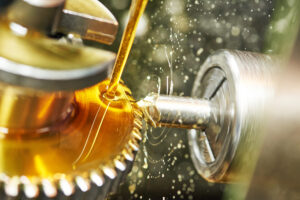
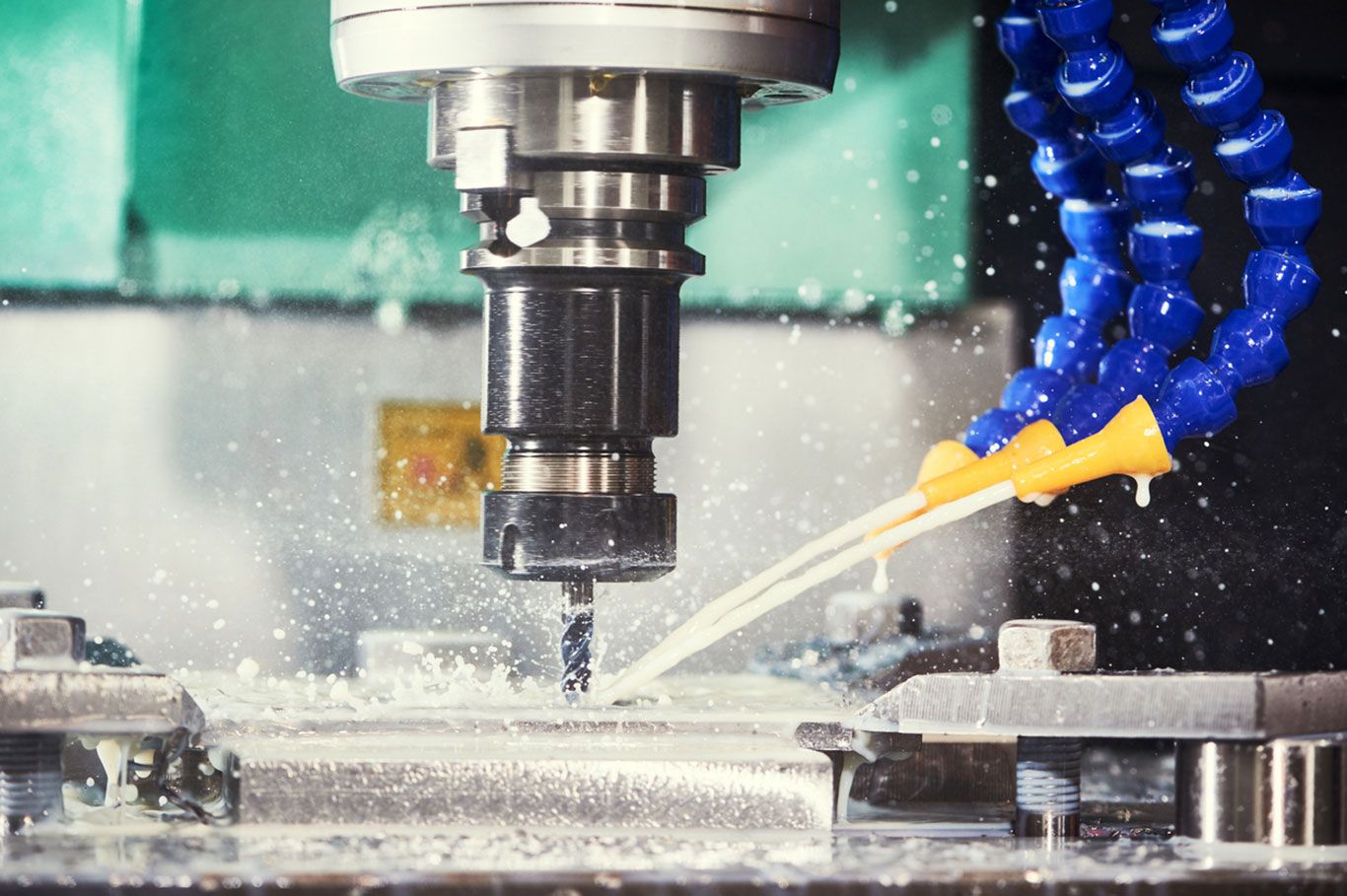
Metal cutting oil, also known as a metalworking oil or machining lubricant, is formulated to cool and lubricate metal parts during machining processes such as drilling, milling, or turning. The oil reduces friction and heat build-up, minimising tool wear and improving machining precision.
Main Types of Cutting Oils:
- Neat cutting oils – Used undiluted for heavy-duty cutting operations, offering maximum lubrication.
- Soluble oils – Water-mixable fluids ideal for light to medium machining, providing both cooling and lubrication.
Both types deliver essential cutting fluid performance benefits that improve machining accuracy and extend equipment lifespan.
How Metal Cutting Oil Boosts Workshop Efficiency
1. Reduces Tool Wear and Downtime
Continuous contact between the tool and workpiece generates heat and friction. Without proper lubrication, this can lead to rapid tool wear and reduced productivity. High-quality metal cutting oils form a protective layer that minimises wear, allowing tools to perform longer and more efficiently.
2. Enhances Surface Finish Quality
Good surface finish is a key indicator of precision. Cutting oils improve surface finish quality by reducing friction, ensuring smoother cuts, and preventing metal tearing or burring. This results in cleaner parts that often require less post-machining work.
3. Improves Cooling and Heat Dissipation
During machining, heat is one of the biggest challenges. Coolant oil for machining efficiently removes heat from the cutting zone, preventing distortion and maintaining consistent part dimensions.
4. Increases Workshop Productivity
By reducing tool changes, improving cutting speed, and minimising rework, metal cutting oils directly enhance workshop productivity. With the right product in place, operators can achieve faster cycle times and improved process reliability.
Why Choose CP Lubricants’ Metal Cutting Oils
At CP Lubricants, we combine technical expertise with premium formulation to deliver reliable metal cutting oils for all types of machining operations — from light finishing to heavy-duty cutting. Our products ensure high precision engineering standards while reducing environmental impact and maintenance costs.
Key Benefits of CP Lubricants’ Cutting Oils:
- Exceptional heat dissipation and cooling
- Superior tool wear reduction
- Clean-running formulations with minimal residue
- Compatible with a wide range of materials and metals
Explore our Own Brand Oils to find the ideal metal cutting oil for your workshop.
Contact CP Lubricants today for expert advice:
📞 023 8033 7800
📧 sales@cplubricants.co.uk
Frequently Asked Questions (FAQs)
Q1: What’s the difference between neat and soluble metal cutting oils?
A1: Neat oils are straight, undiluted lubricants designed for heavy-duty machining operations that require superior lubrication and surface finish. Soluble cutting oils, however, are mixed with water to create emulsions that offer excellent cooling for lighter or high-speed applications.
Q2: How often should cutting oil be replaced?
A2: Regular monitoring and testing are essential to determine when your cutting oil needs replacing. Factors such as contamination, pH changes, and odour can indicate degradation. Timely replacement prevents bacterial growth, ensures consistent performance, and protects both machinery and finished components from corrosion or poor surface finish.
Q3: Can using the wrong cutting oil damage tools or parts?
A3: Yes. Using the incorrect cutting oil can lead to excessive heat, inadequate lubrication, and premature tool wear or failure. It can also affect the accuracy and finish of machined parts. Always select a cutting fluid that matches your specific operation, metal type, and machining conditions for optimal performance and tool protection.