Introduction
When operating outboard engines and marine equipment, selecting the correct lubricant is essential for reliability and performance. While all two stroke oils are designed to mix with fuel and provide lubrication during combustion, not all formulations are the same.
Understanding the difference between 2 cycle marine oil and standard two stroke oils can help boat owners, marine engineers and commercial operators protect their engines and avoid costly damage.
What Is 2 Cycle Marine Oil?
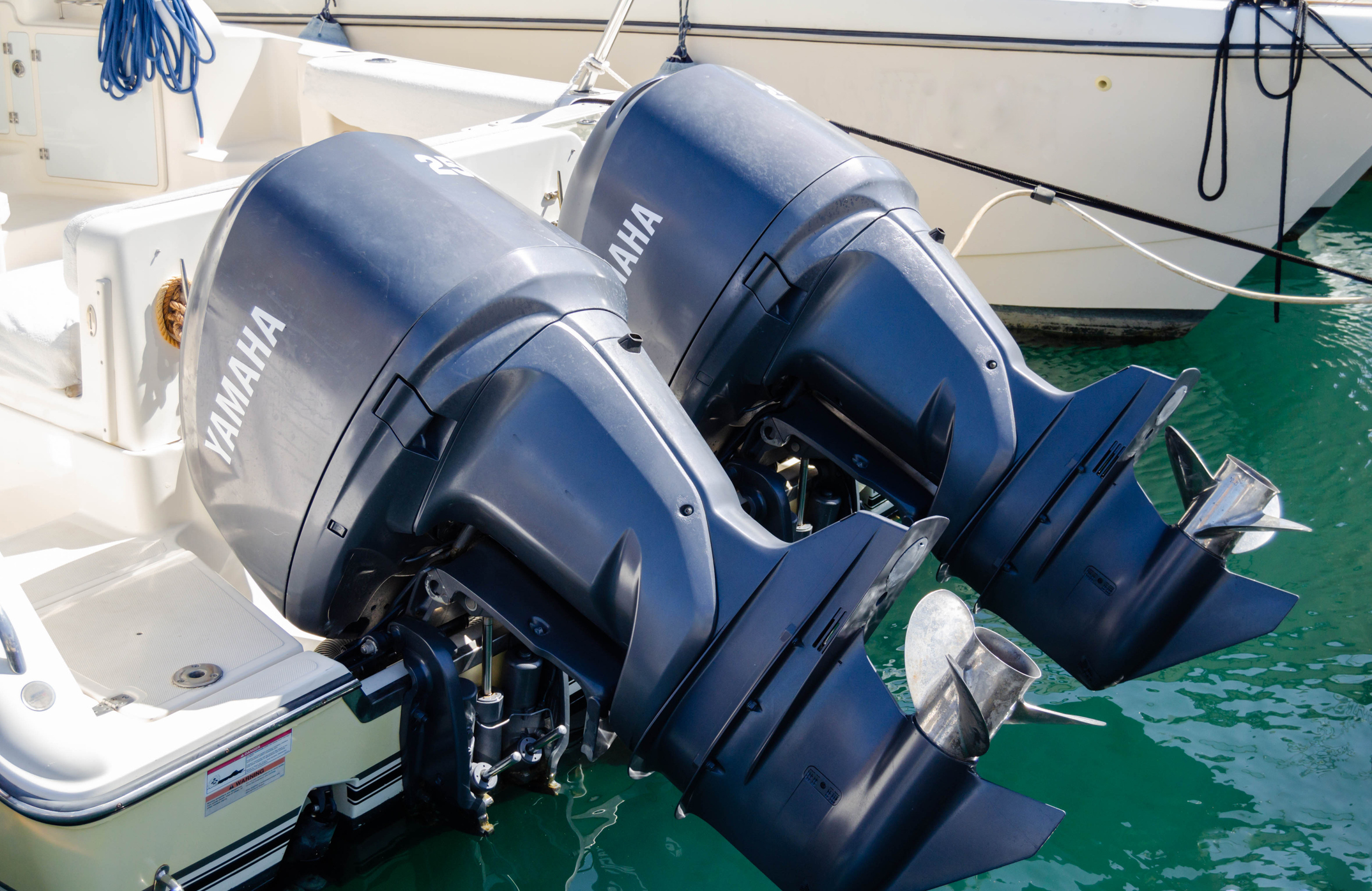
2 cycle marine oil is specifically formulated for use in water-cooled outboard engines and marine environments. It is designed to:
- Mix cleanly with petrol
- Burn with minimal residue
- Provide corrosion protection
- Perform effectively at lower operating temperatures
- Resist moisture contamination
Marine engines operate differently from many land-based two stroke engines, making specialist formulations essential.
What Are Standard Two Stroke Oils?
Standard two stroke oils are typically developed for motorcycles, garden machinery, chainsaws and other air-cooled engines. These oils are formulated to:
- Withstand higher operating temperatures
- Provide strong lubrication under high RPM conditions
- Maintain combustion cleanliness
- Reduce piston and ring wear
While they share similar functions, they are optimised for different environments and engine designs.
Key Differences Between 2 Cycle Marine Oil and Standard Two Stroke Oils
1. Cooling System Compatibility
Marine engines are usually water-cooled, operating at lower temperatures. 2 cycle marine oil is designed to perform effectively under these conditions, whereas standard two stroke oils are often formulated for air-cooled engines that run hotter.
2. Corrosion Protection
Saltwater and moisture exposure are major concerns in marine applications. 2 cycle marine oil contains enhanced anti-corrosion additives to protect internal engine components from rust and degradation.
3. Ash Content
Marine oils typically have lower ash content. This reduces deposits and carbon build-up, which is particularly important in water-cooled engines operating at lower temperatures.
4. Environmental Considerations
Marine oils are often formulated to reduce water pollution risk in the event of minor discharge, making them more suitable for boating environments.
Why Using the Wrong Oil Can Be Risky
Using a standard two stroke oil in a marine engine can result in:
- Increased carbon deposits
- Spark plug fouling
- Reduced performance
- Premature engine wear
- Voided manufacturer warranties
Similarly, using marine oil in high-performance air-cooled engines may not provide optimal protection at higher temperatures.
Choosing the correct 2 cycle marine oil ensures both performance and longevity.
Factors to Consider When Selecting 2 Cycle Marine Oil
When choosing 2 cycle marine oil, consider:
- Engine manufacturer recommendations
- TC-W3 certification where applicable
- Operating conditions (freshwater vs saltwater)
- Engine age and usage frequency
- Fuel mixing system (pre-mix or oil injection)
Always follow manufacturer guidelines for correct fuel-to-oil ratios to ensure proper lubrication.
The Role of a Specialist Lubricant Supplier
Working with an experienced lubricant distributor ensures access to high-quality branded marine oils from leading manufacturers such as Castrol, Mobil and Shell, as well as specialist formulations.
An independent supplier like CP Lubricants can provide:
- Technical advice on product selection
- Bulk supply options
- Storage and dispensing solutions
- Ongoing support for commercial marine operators
This ensures both recreational and professional users receive the right product for their application.
Conclusion
Although 2 cycle marine oil and standard two stroke oils serve similar purposes, they are formulated for different operating environments. Marine engines require enhanced corrosion protection, lower ash content and compatibility with water-cooled systems.
Selecting the correct 2 cycle marine oil protects engine performance, reduces maintenance costs and supports long-term reliability. Consulting a trusted lubricant specialist ensures the right choice for your specific marine application.
Want to know more? Get in touch
Find us on Google Maps